

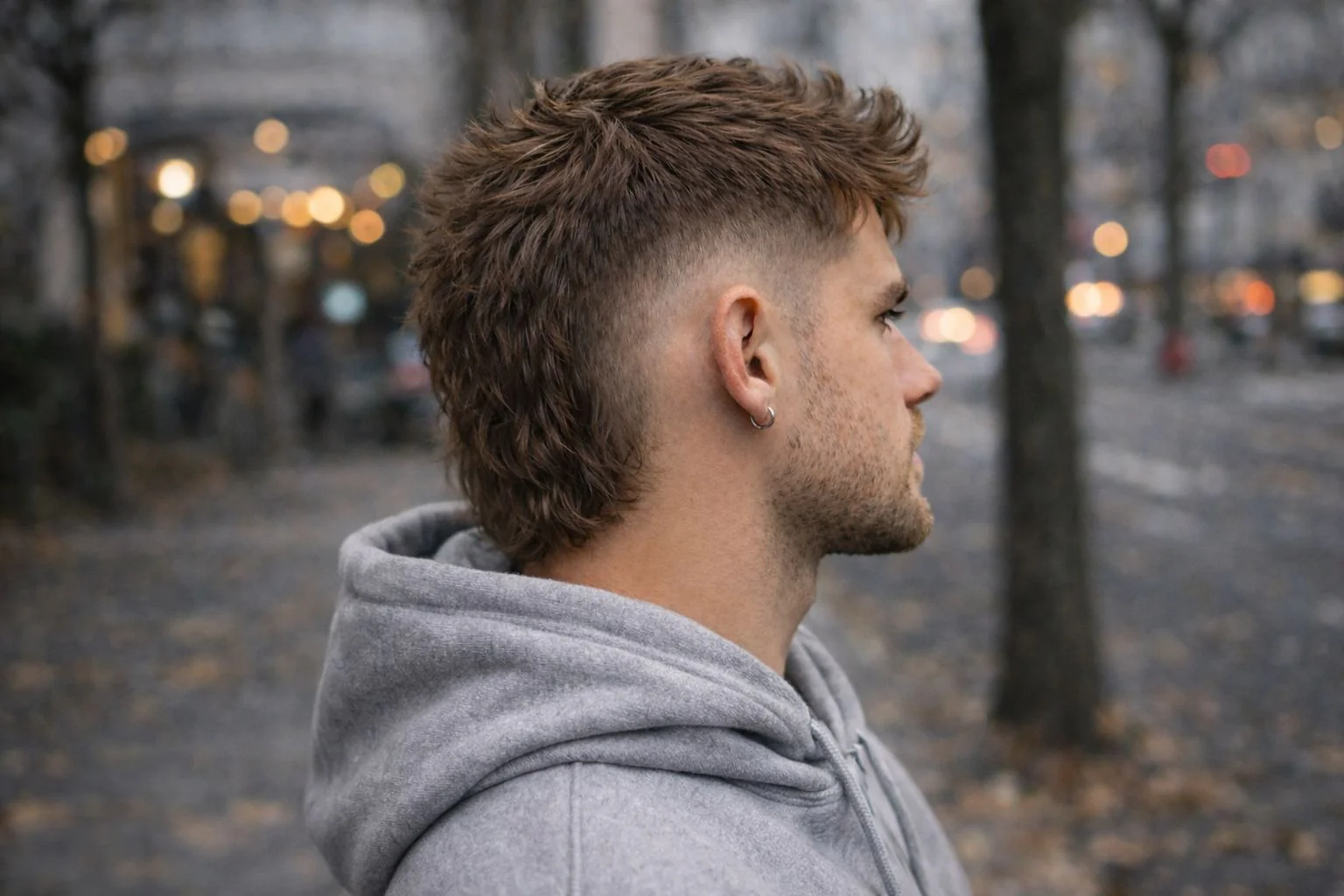
A modern mullet in 2026 doesn’t look anything like the wild 80s version most people still imagine. Today’s mullet is cleaner, sharper, heavily textured, and often combined with burst fades, tapers, curls, wolf cuts, and even K-pop-inspired layers. That’s exactly why this haircut has exploded across barbershops, TikTok feeds, and men’s fashion trends over the past year.
But here’s the problem: most guys ask for a mullet without knowing which version actually fits their face shape, hair texture, or lifestyle. A curly burst fade mullet gives a completely different vibe than a short taper mullet or a long shaggy flow mullet. Some styles look edgy and rebellious, while others are surprisingly clean and office-friendly.
In this guide, you’ll discover the best modern mullet haircut styles for men in 2026 — including short mullets, fade mullets, curly mullets, straight-hair mullets, wolf-cut hybrids, and low-maintenance options. We’ll also break down which styles work best for different hair types, how to ask your barber for the right cut, and the styling products that keep a modern mullet looking sharp instead of messy.
What Is a Modern Mullet?
Table of Contents
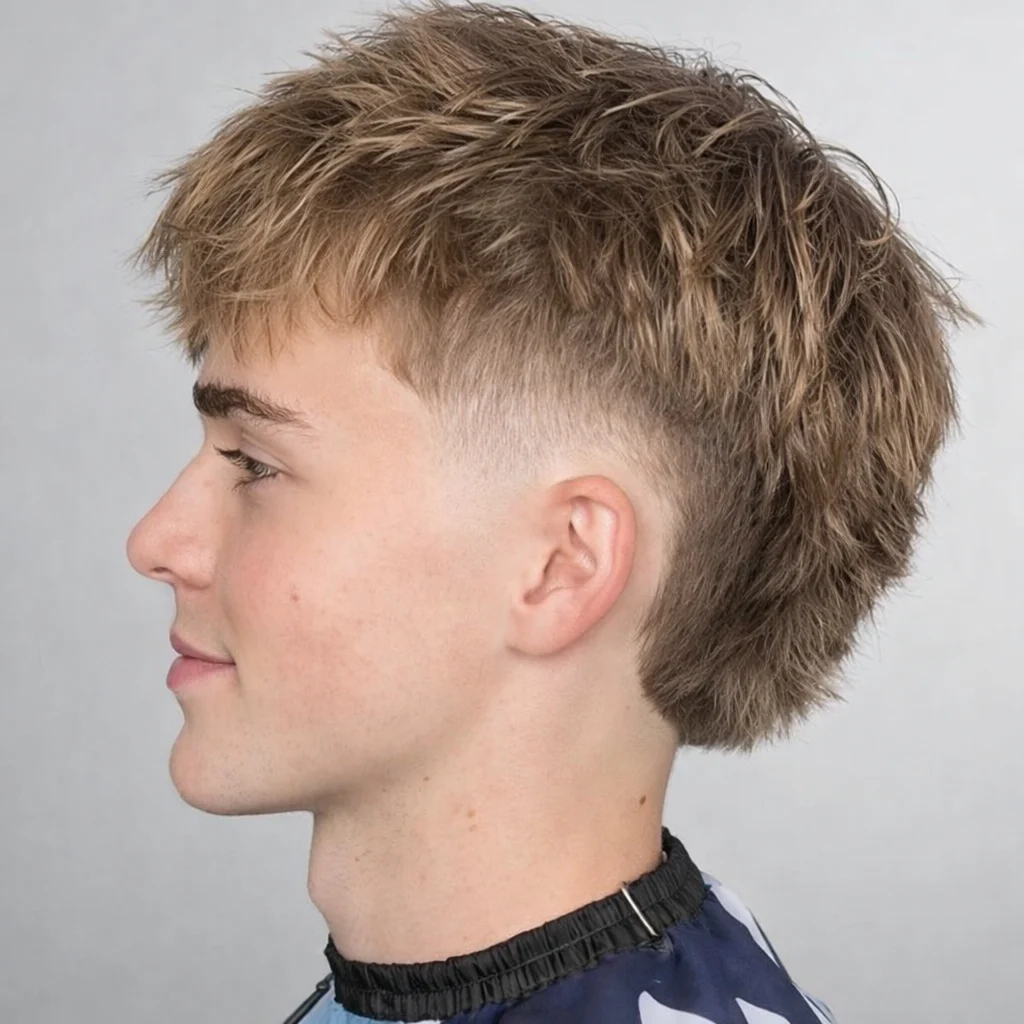
A modern mullet is a haircut featuring shorter hair on the top and sides with longer length at the back, updated with textured layers, fades, tapers, and natural volume for a cleaner, more stylish appearance. Unlike the sharp and outdated 1980s version, today’s mullet feels softer, blended, and easier to wear.
Its popularity has surged thanks to TikTok, Gen Z fashion, and modern barbering trends, leading to styles like the burst fade mullet, curly mullet, taper mullet, and wolf cut mullet. While cuts like the wolf cut and shag use layers throughout, the modern mullet keeps a noticeable length difference between the front and back, the signature detail that defines the style.
Best Modern Mullet Haircuts for Men in 2026
Below are 55 distinct modern mullet variations organized into six categories. Each style includes details on hair type suitability, face shape recommendations, styling difficulty, and maintenance requirements. Use this section as both an inspiration gallery and a practical reference for your next barbershop visit.
Fade-Based Mullets
Fade-based mullets dominate search interest and barbershop demand, accounting for the largest share of mullet-related queries worldwide. The combination of clean, graduated sides with a longer back creates striking visual contrast that works across virtually all hair types and face shapes. The fade serves as both a structural element and a style statement: it defines the mullet shape while simultaneously adding a modern, barbershop-quality finish that separates the 2026 mullet from its predecessors. Whether you prefer the subtle gradation of a shadow fade or the dramatic impact of a skin fade, this category offers the most versatile entry point into the modern mullet world.
1. Burst Fade Mullet
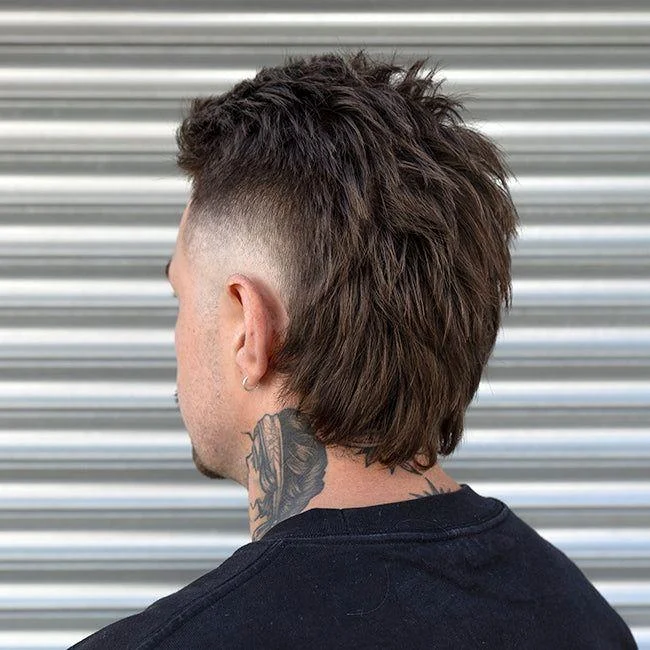
The single most requested mullet variation. Features a curved, semi-circular fade around the ear creating a sunburst effect, while the back remains long and textured. The burst fade softens the transition from faded sides to the longer back, creating a natural flow. Best for all hair types, especially wavy and curly. Suits oval, square, and diamond faces. Medium styling difficulty; fade needs touch-up every 2-3 weeks. Ask your barber for a burst fade arcing from temple to nape, leaving 3-4 inches at the nape. Style with texture powder and matte clay.
2. Low Fade Mullet
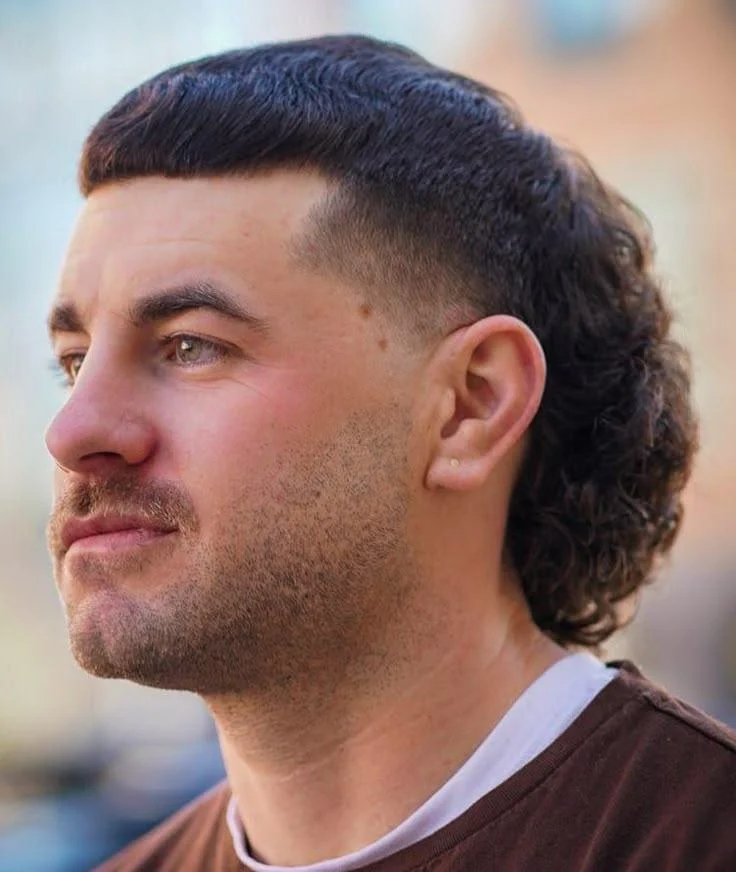
Keeps the fade concentrated near the neckline and lower sides, leaving more length through the mid-section. This creates a subtle, understated mullet for men who want the style without a loud statement. Best for straight to wavy hair and round or oval faces. Low difficulty; trims every 4-5 weeks. Ask for a low fade starting just above the ears with a natural taper. Style with light pomade and sea salt spray.
3. Mid Fade Mullet
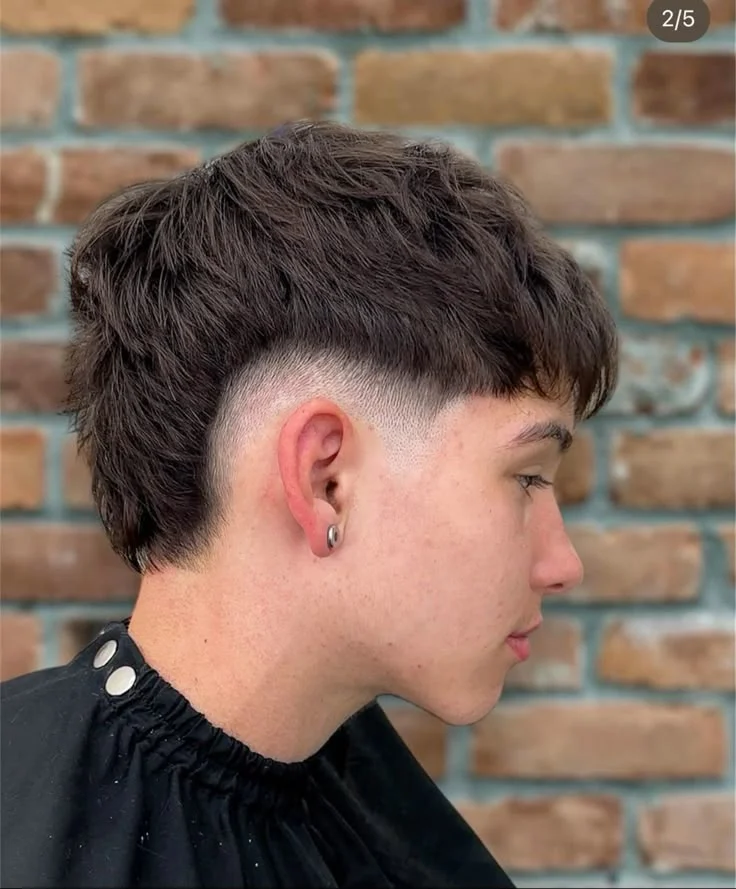
The fade starts at the midpoint between temple and crown, creating balanced visual division. This is the most versatile fade height, providing enough contrast without the boldness of a high fade. Works on all hair types; suits oval, square, and oblong faces. Medium difficulty; touch-up every 3 weeks. Ask for the fade at mid-temple with a textured top using point cutting. Style with matte clay and texture powder.
4. High Fade Mullet
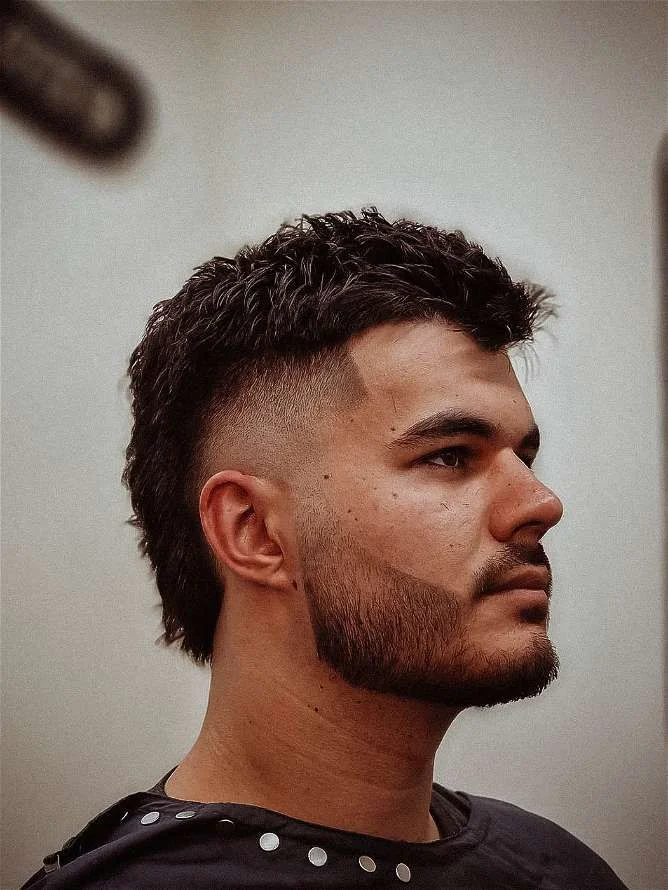
Creates maximum contrast by fading sides up to the temple or crown, leaving only the top and back with length. Bold and confident, popular among athletes and musicians. Best for thick, straight, or wavy hair; suits square, diamond, and oval faces. Medium-high difficulty; fade needs touch-up every 2 weeks. Style with strong hold clay and texture powder.
5. Skin Fade Mullet
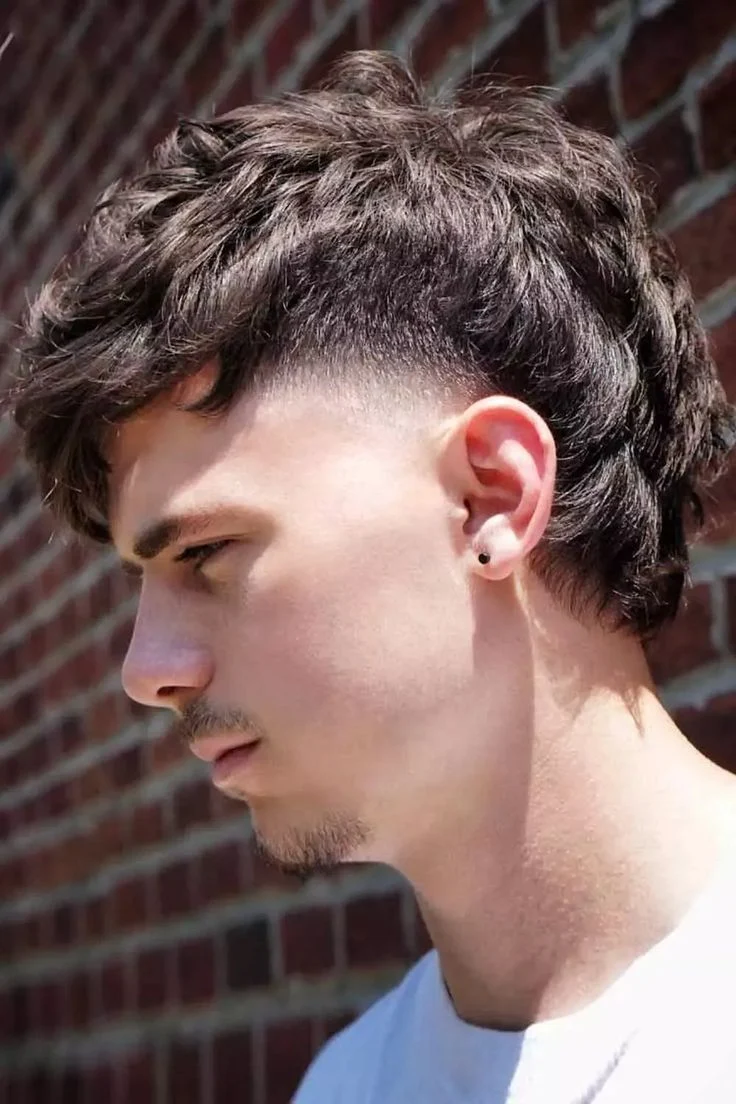
Takes the fade down to the scalp for the sharpest possible contrast. The cleanest, most defined version of the faded mullet. Best for straight, wavy, or thick hair; suits square, oval, and diamond faces. High difficulty; skin fade requires biweekly maintenance. Style with strong hold pomade and shine spray.
6. Taper Fade Mullet
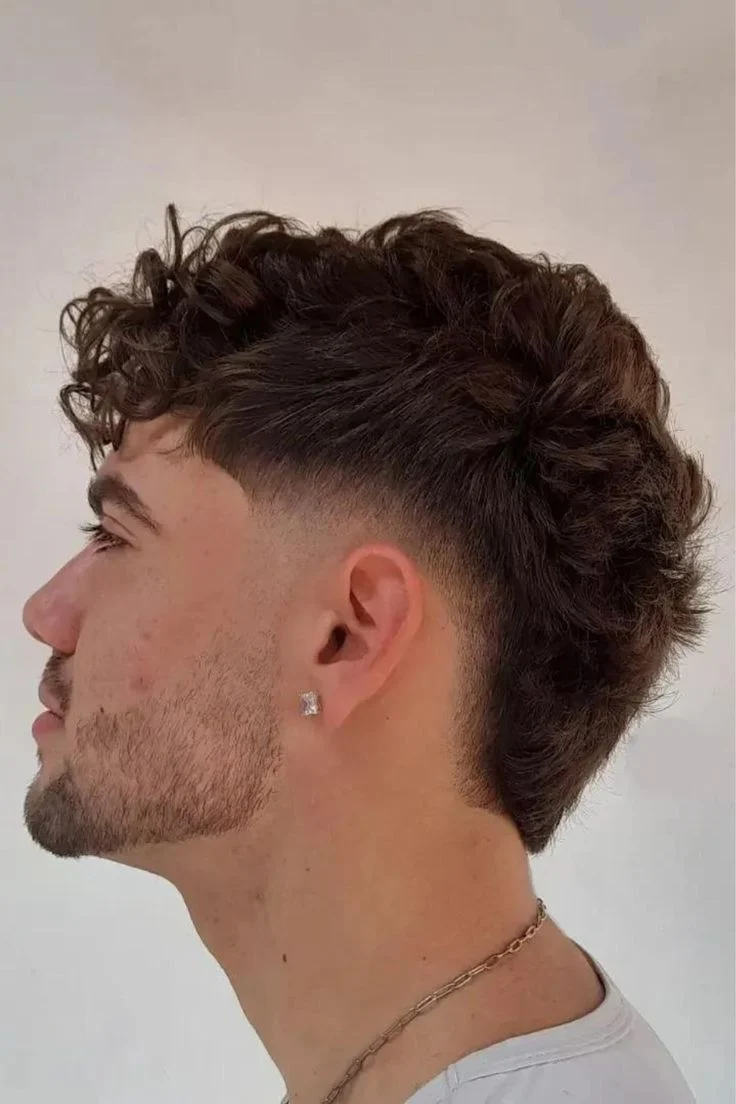
Uses a gradual, natural taper rather than a sharp fade, creating softer transitions. The most refined and office-friendly mullet variation. Best for all types, especially straight and fine hair; suits oval, round, and oblong faces. Low difficulty; trims every 4 weeks. Style with light hold cream and sea salt spray.
7. Drop Fade Mullet
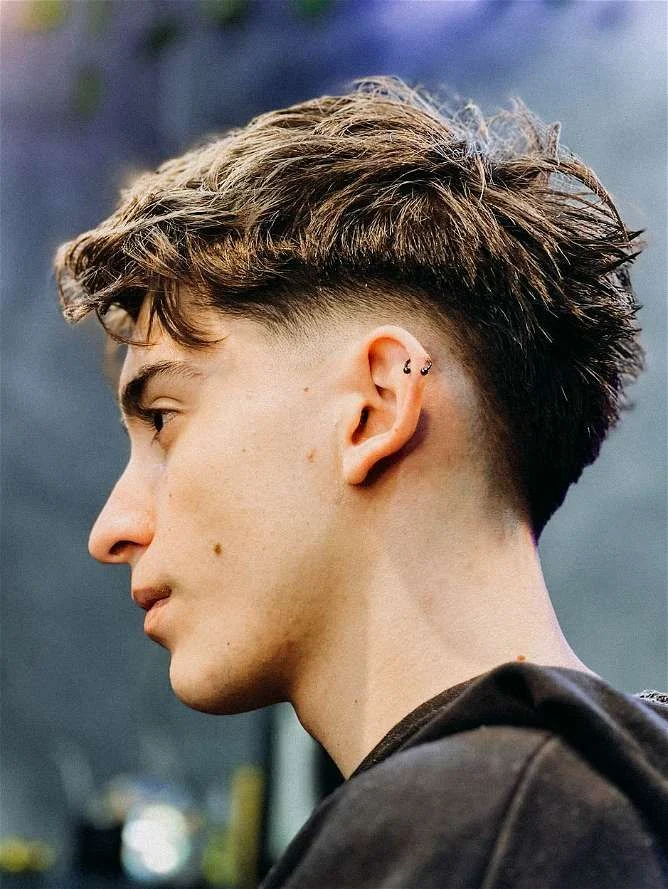
Features a fade that arcs downward behind the ear, adding visual interest to the side profile. The drop fade mirrors the natural curve from top to nape. Best for wavy, thick, or curly hair; suits oval, square, and diamond faces. Medium difficulty; trims every 3 weeks. Style with matte paste and texture powder.
8. Temple Fade Mullet
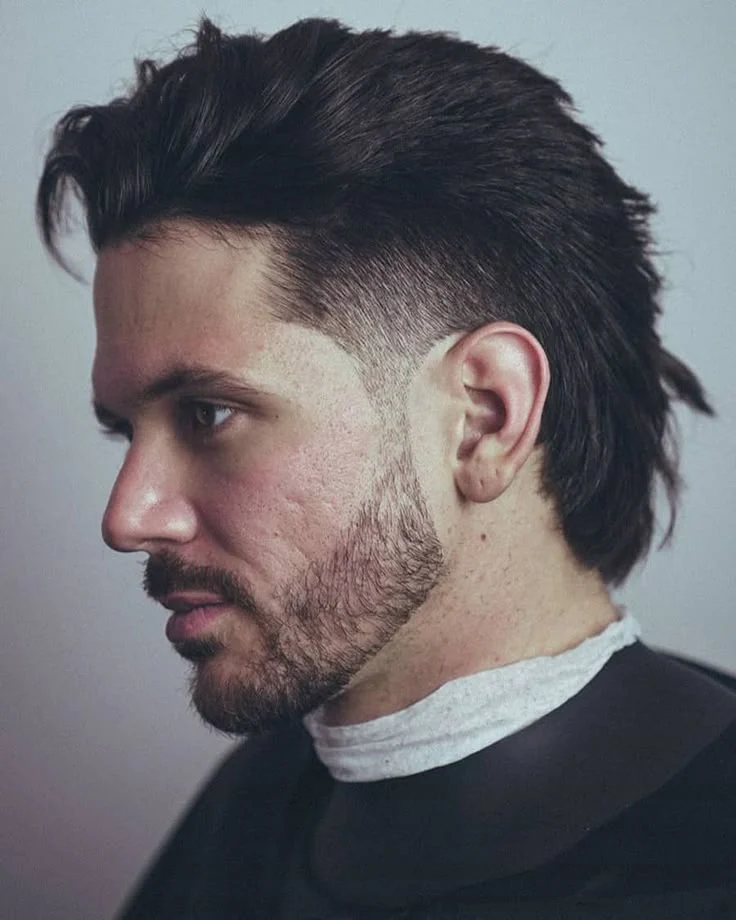
Concentrates the fade at the temples only, leaving the rest of the sides at medium length. Subtle enough for conservative environments but distinctive enough to stand out. Best for straight or wavy hair; suits round, oval, and square faces. Low-medium difficulty; trims every 4-5 weeks. Style with light pomade and styling cream.
9. Bald Fade Mullet
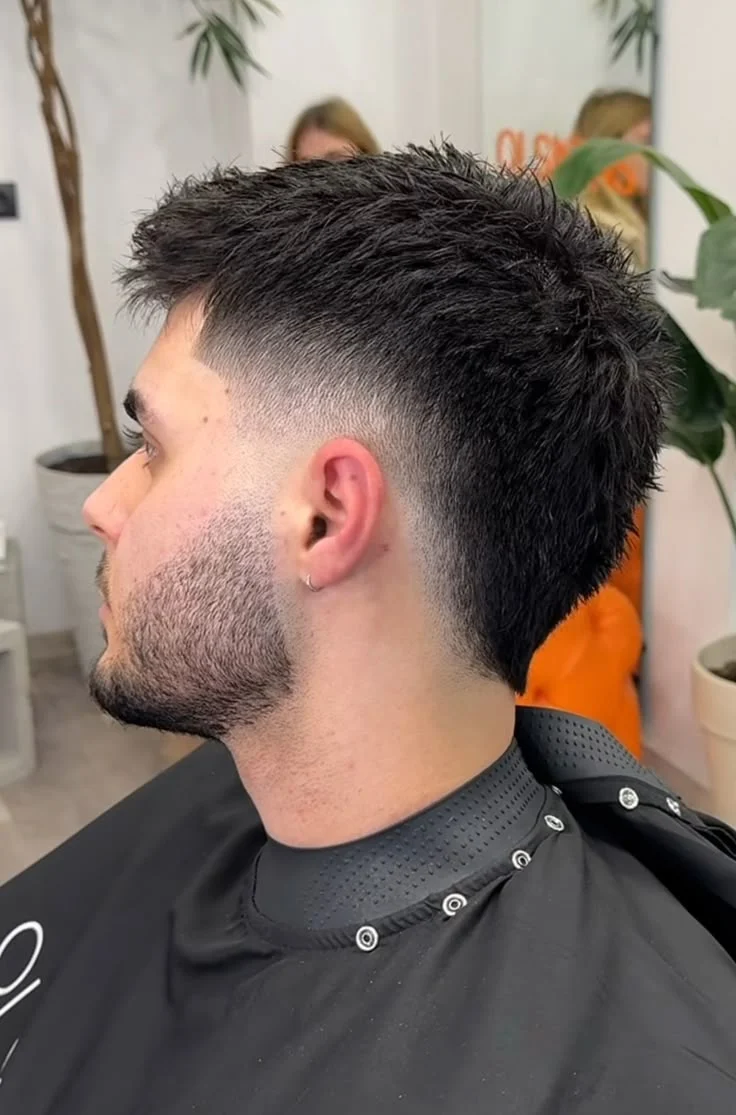
Goes completely clean at the lowest point, creating a zero-guard finish with maximum contrast. Favored in athletic and urban fashion circles. Best for thick, straight, or wavy hair; suits square and diamond faces. High difficulty; requires touch-up every 2 weeks. Style with strong hold clay and grooming oil.
10. Shadow Fade Mullet
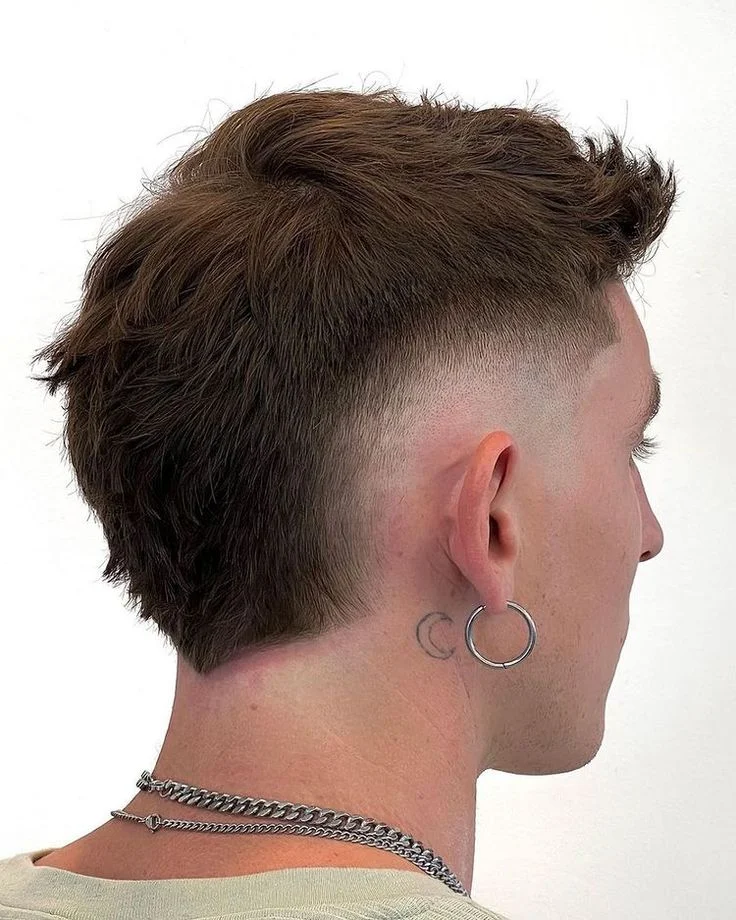
Uses a subtle, dark fade that never reaches the skin, creating a shadow-like gradient. The most conservative fade mullet, ideal for professional settings and fine or thinning hair. Suits all face shapes. Low difficulty; trims every 4-5 weeks. Style with light cream and sea salt spray.
Short Modern Mullets
Short mullets are the fastest-growing segment in 2026, driven by demand for low-maintenance styles that still carry the mullet identity. These variations keep overall length compact, making them suitable for office environments and conservative settings while maintaining the signature short-front, longer-back proportion. The appeal of short mullets lies in their accessibility: they require less growing time, less daily styling, and less social courage than their longer counterparts. For men who have been curious about the mullet trend but hesitant to commit to dramatic length, short variations offer the perfect middle ground between convention and self-expression.
11. Short Textured Mullet
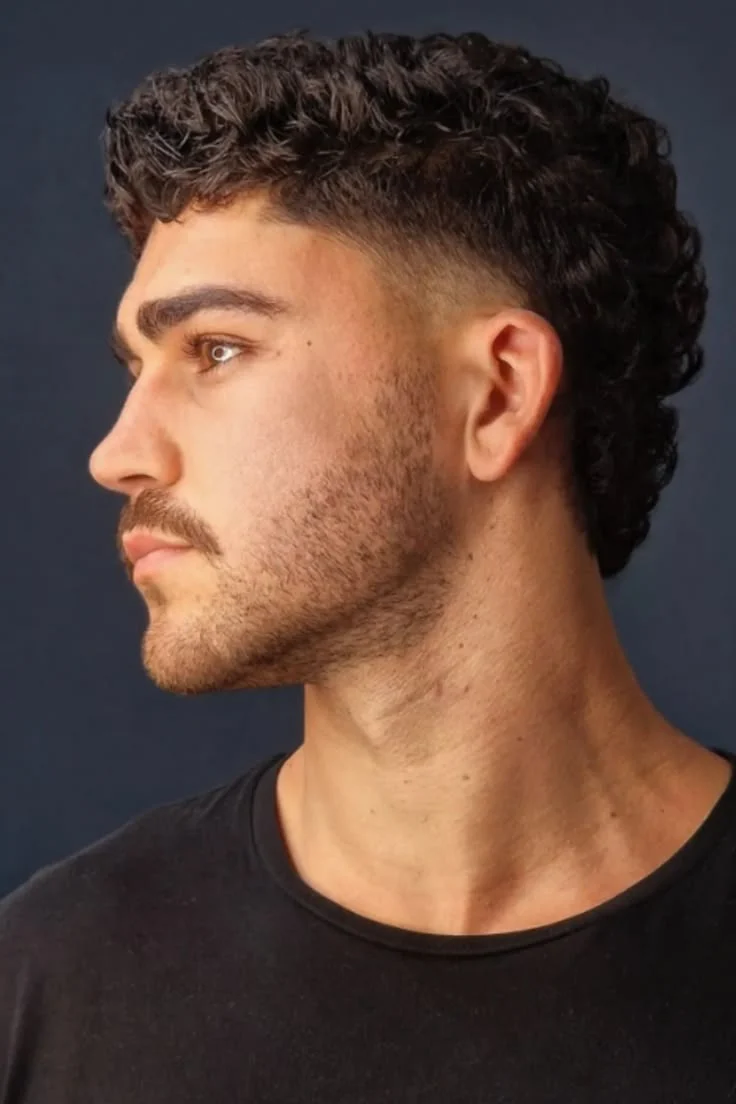
Keeps the back at 2-3 inches with heavy point cutting for a piece-y, lived-in look requiring minimal styling. The most accessible mullet for first-timers. Best for straight, wavy, or fine hair; suits oval, round, and square faces. Low difficulty; trims every 4-5 weeks. Ask for heavy point cutting and subtle side taper. Style with texture powder and matte clay.
12. French Crop Mullet
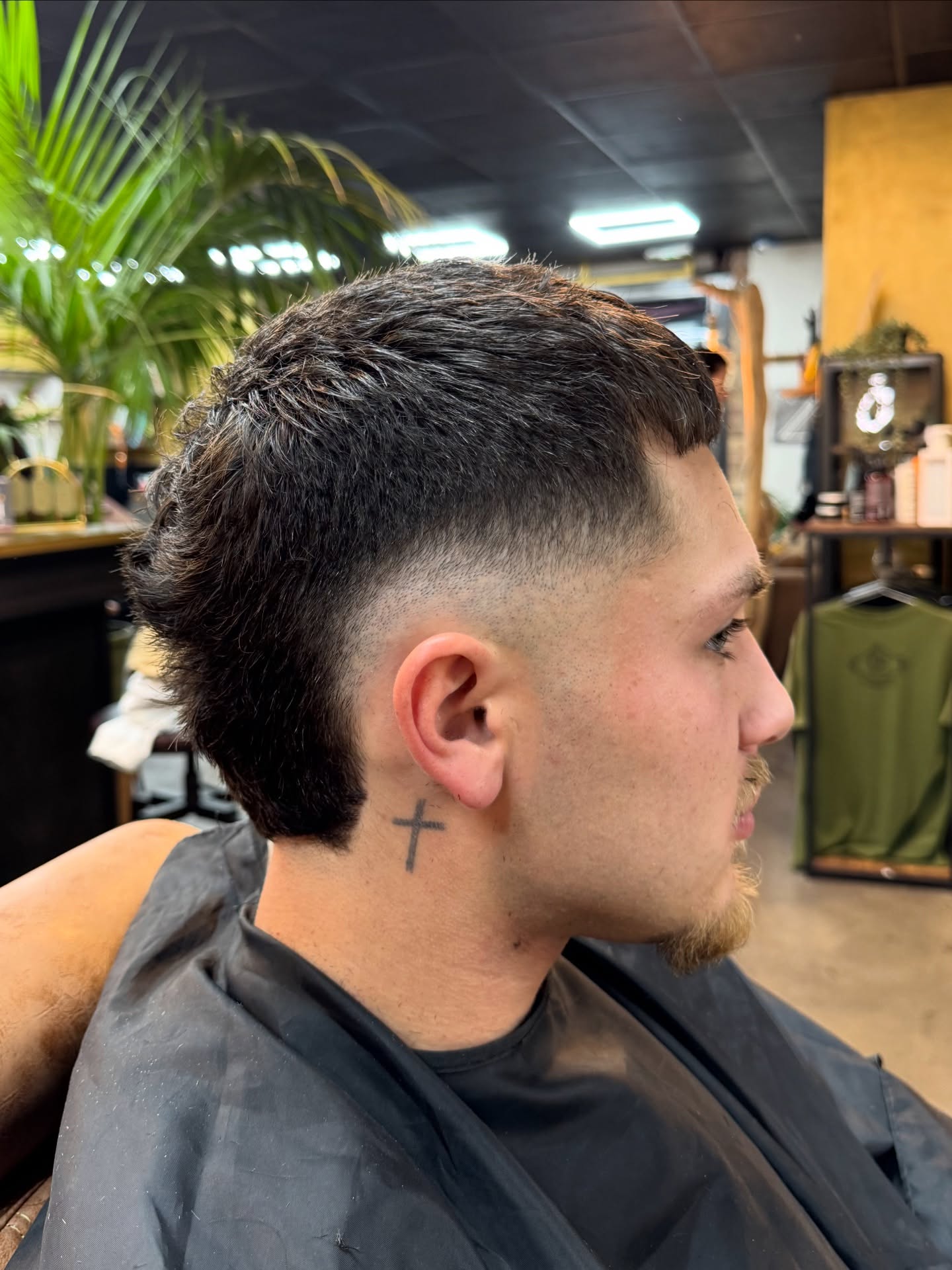
Merges the forward-swept textured fringe of a French crop with extended mullet back length. Creates a sophisticated, European-inspired look. Best for straight or wavy hair; suits oval and oblong faces. Medium difficulty; fringe needs daily styling. Style with matte paste and sea salt spray.
13. Short Curly Mullet
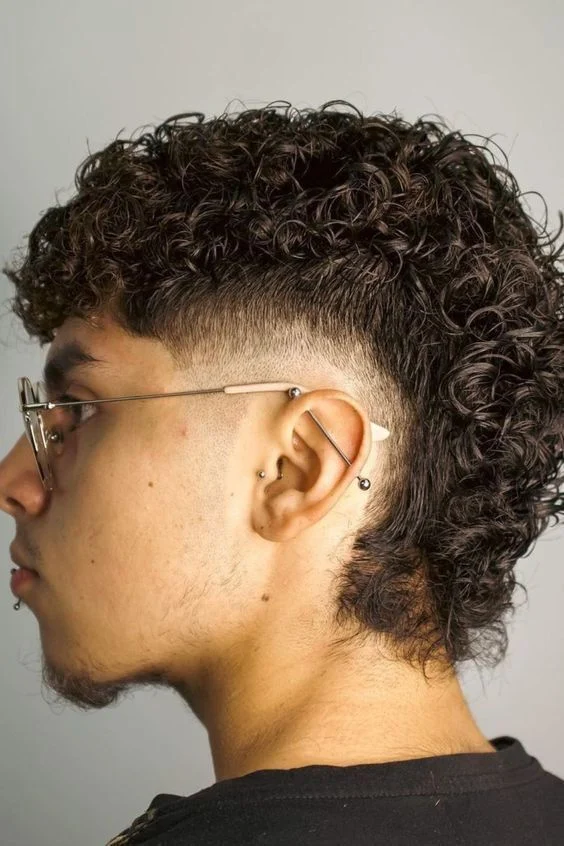
Embraces natural curl patterns with compact overall length. The back extends just past the collar with defined curls. Celebrates natural texture rather than fighting it. Best for curly or coily hair; suits oval, square, and diamond faces. Low difficulty; trims every 5-6 weeks. Style with curl cream and leave-in conditioner.
14. Crew Cut Mullet
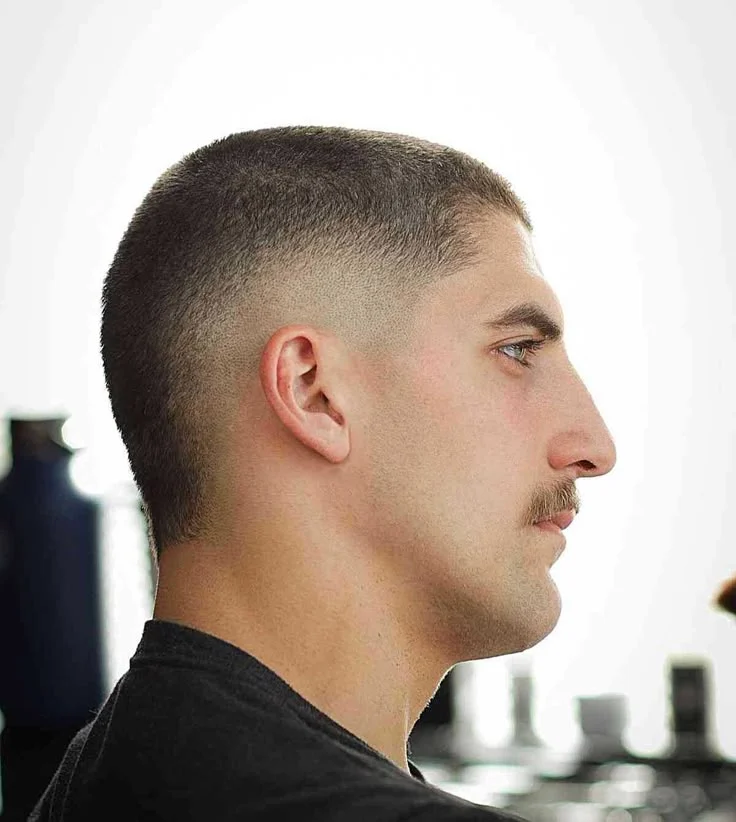
Takes the short, uniform top of a crew cut and extends the back for a subtle mullet effect. The most understated version, ideal for military, corporate, or conservative environments. Best for straight or thick hair; suits round, oval, and square faces. Very low difficulty; trims every 5-6 weeks. Style with light styling cream.
15. Mini Mullet
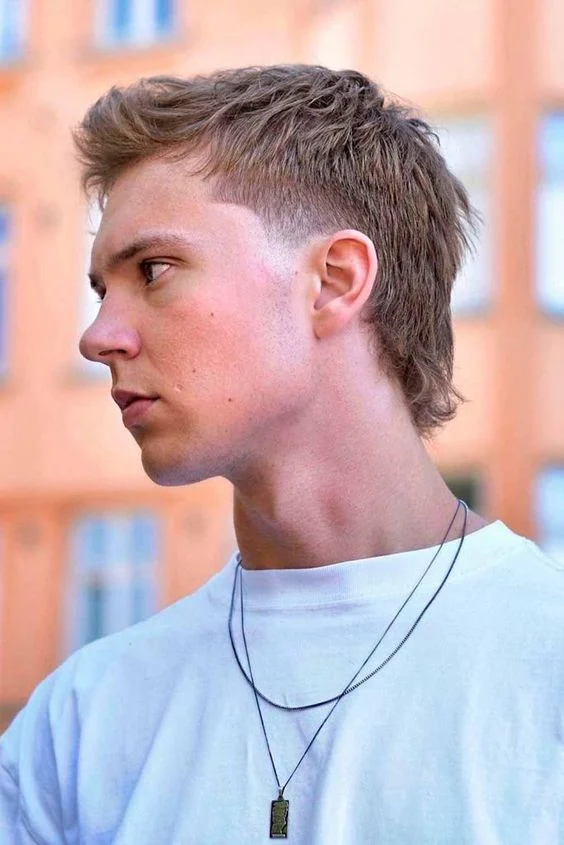
A scaled-down version where the back extends only 1-2 inches beyond the front. Bridges the gap between a standard short cut and a full mullet commitment. One of the most popular styles in 2026. Works on all hair types and face shapes. Low difficulty; trims every 4 weeks. Style with texture powder and light paste.
16. Ivy League Mullet
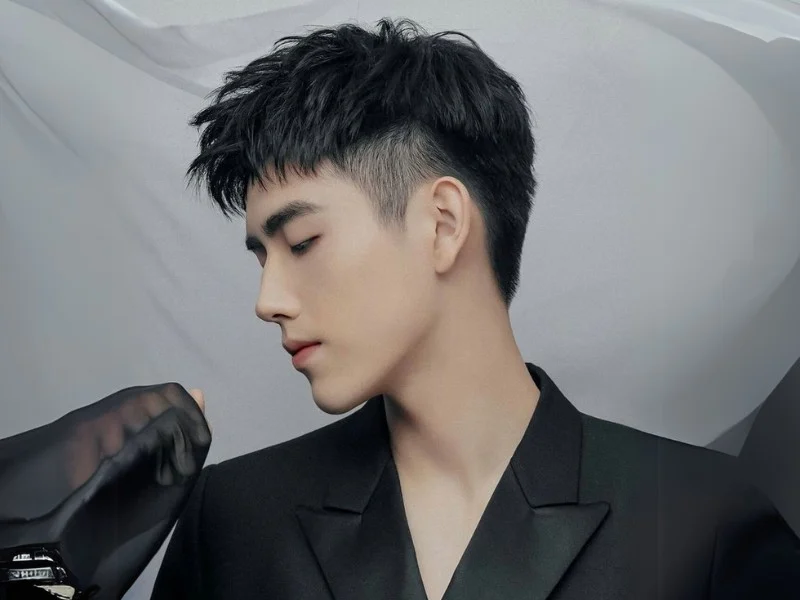
Refines the preppy aesthetic with a side part and neat sweep, plus an extended nape. The most office-friendly mullet, suitable for law firms and finance. Best for straight or fine hair; suits oval, oblong, and diamond faces. Medium difficulty; requires daily styling. Style with pomade and light hold cream.
17. Caesar Mullet
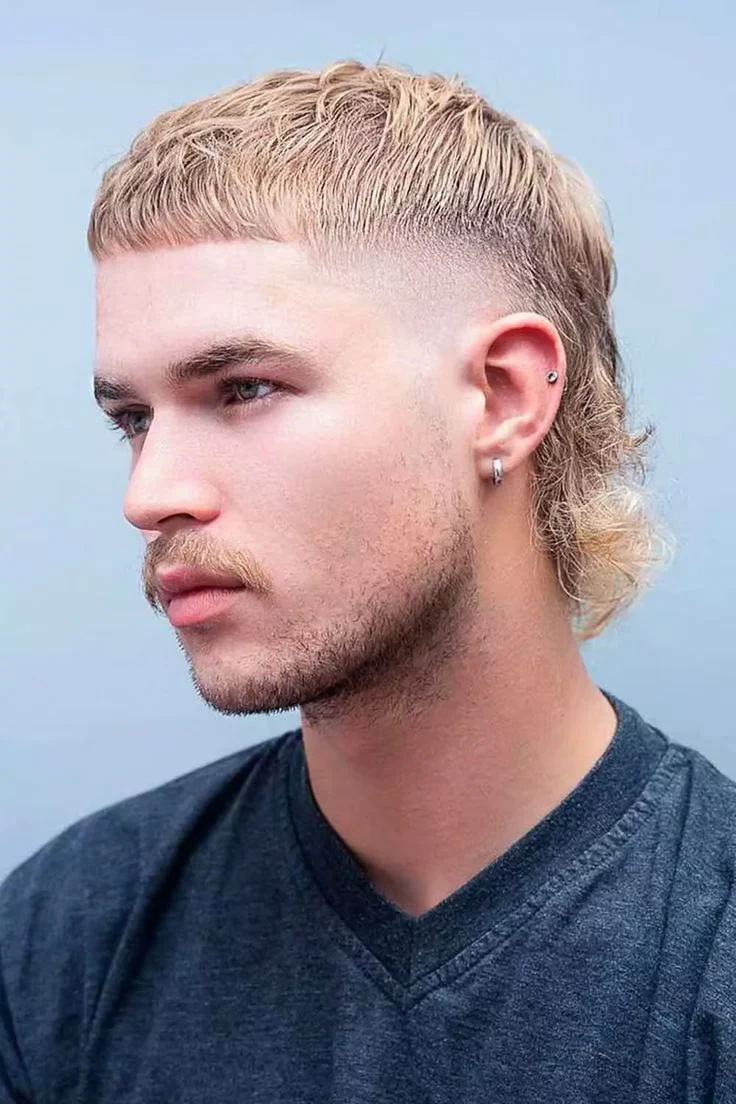
Combines the horizontal, forward-swept fringe of a Caesar cut with extended back length. The fringe creates a clean face frame while the back adds dimension. Has a classical influence that feels timeless. Best for straight or wavy hair; suits oval, square, and round faces. Low-medium difficulty. Style with matte clay and sea salt spray.
18. Short Spiky Mullet
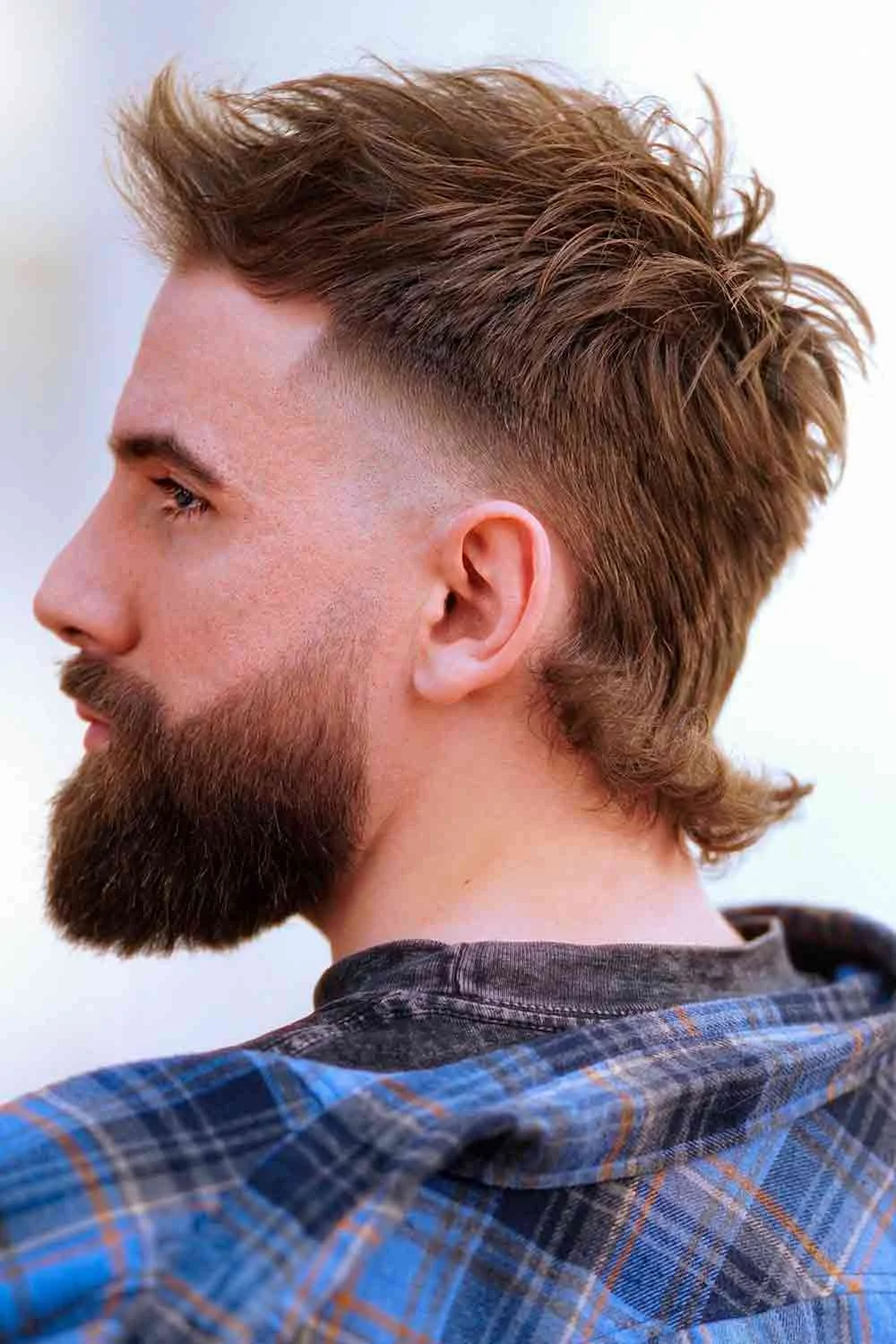
Adds aggressive texture to the top with spikes directed upward and forward, while the back flows naturally. Athletic, high-energy style popular among gym-goers. Best for straight or thick hair; suits square, diamond, and oval faces. Medium difficulty; daily styling required. Style with strong hold gel or clay and texture powder.
19. Messy Short Mullet
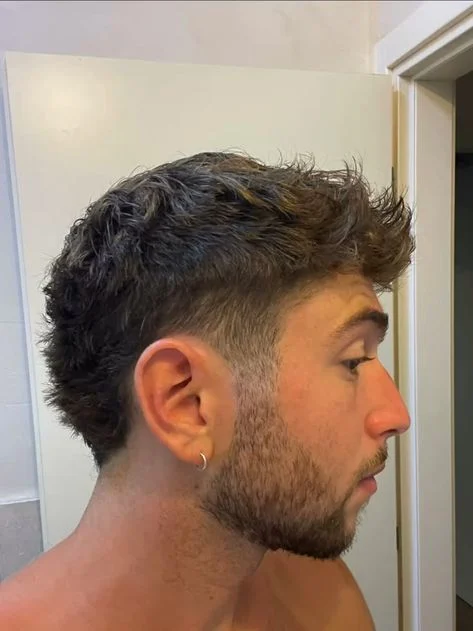
Embraces controlled chaos with intentionally tousled short elements. The messiness is carefully crafted through layering and texturizing. The low-effort, high-impact mullet for men who hate styling time. Best for wavy or straight hair; suits oval, round, and oblong faces. Very low difficulty. Style with sea salt spray and light matte paste.
20. Athletic Mullet
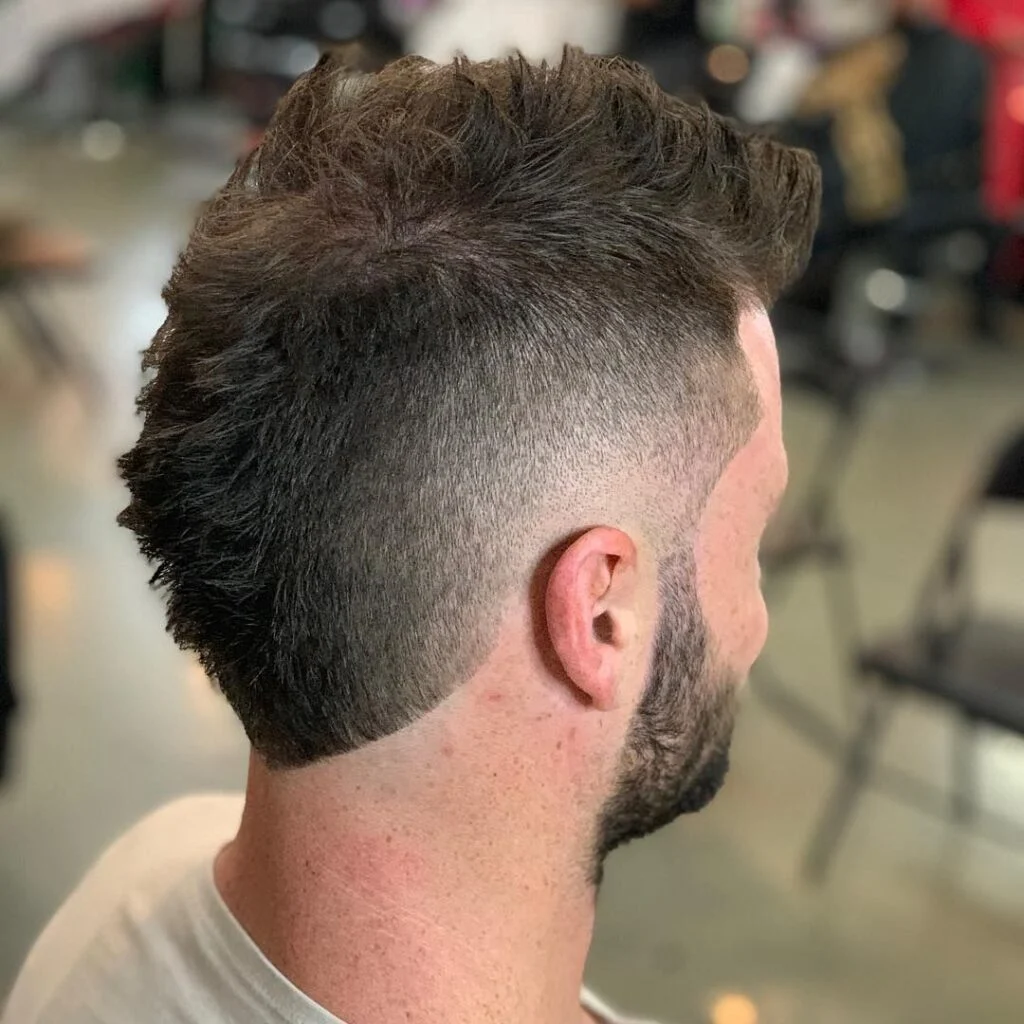
Designed for active lifestyles: short enough to stay out of the eyes during training but with enough back length to read as a mullet. Faded clean sides for comfort. Gaining traction among professional athletes. Works on all hair types and face shapes. Very low difficulty by design. Style with light hold cream and sweat-resistant product.
Long Modern Mullets
Long mullets make the boldest statement in the entire category. These styles embrace volume, movement, and drama, with back lengths ranging from 5 inches to well past the shoulders. They draw from rock, metal, and surfer aesthetics, and they require more commitment in both growing time and daily maintenance than any other mullet type. For men with the confidence to wear them, long mullets are the most expressive and visually impactful option available. The growing phase requires patience, but the result is a head-turning style that communicates personality and artistic sensibility before you even speak.
21. Long Layered Mullet
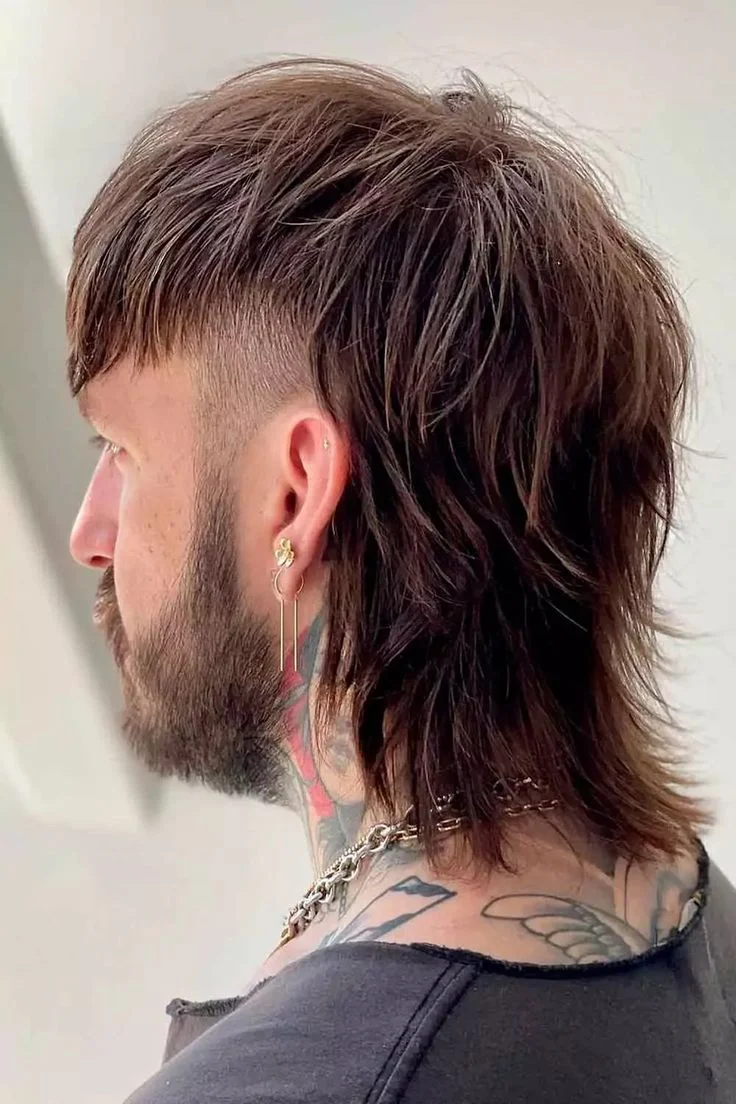
Uses strategic layering throughout the back to create movement and volume. Without layers, a long mullet can look flat; with them, it flows naturally from every angle. The foundational long mullet from which most others are built. Best for wavy, thick, or straight hair; suits oval, oblong, and diamond faces. Medium difficulty; trims every 4-5 weeks. Style with sea salt spray and light styling cream.
22. Rockstar Mullet
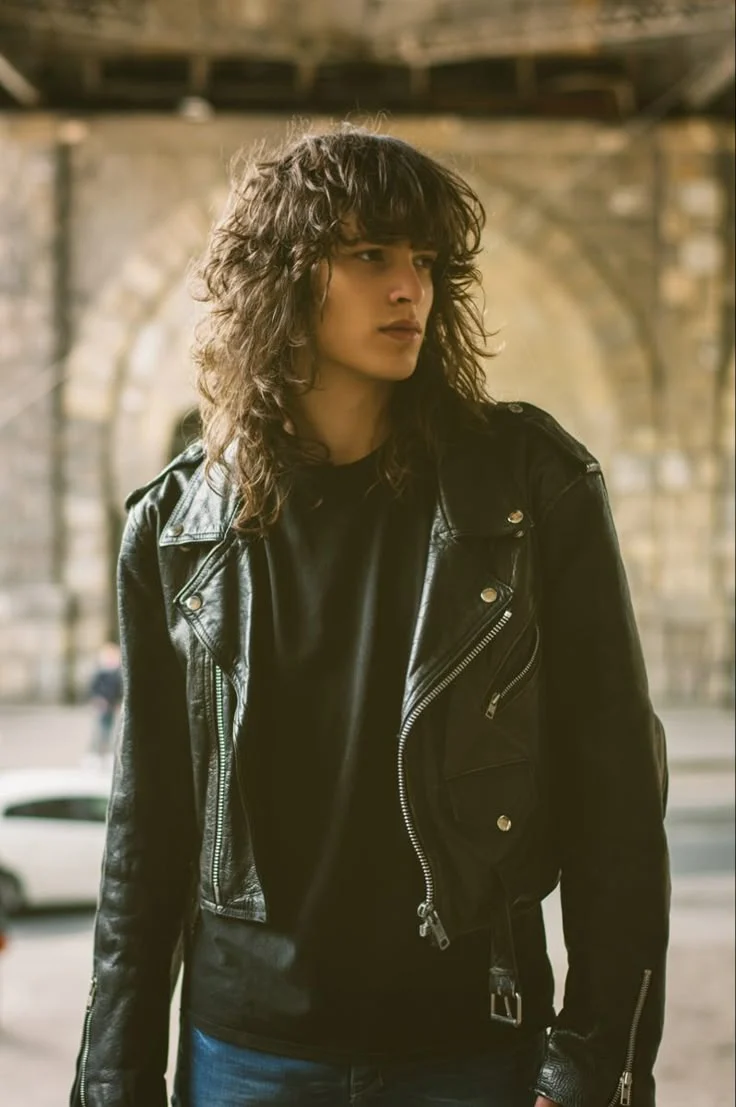
Channels 1970s and 1980s rock icons with modern refinement. Features voluminous, tousled top sweeping into dramatic back length. The intentional texture and controlled messiness separate it from the classic rock look. Best for thick, wavy, or straight hair; suits oval, square, and diamond faces. High difficulty. Style with sea salt spray, volumizing mousse, and matte paste.
23. Shaggy Mullet
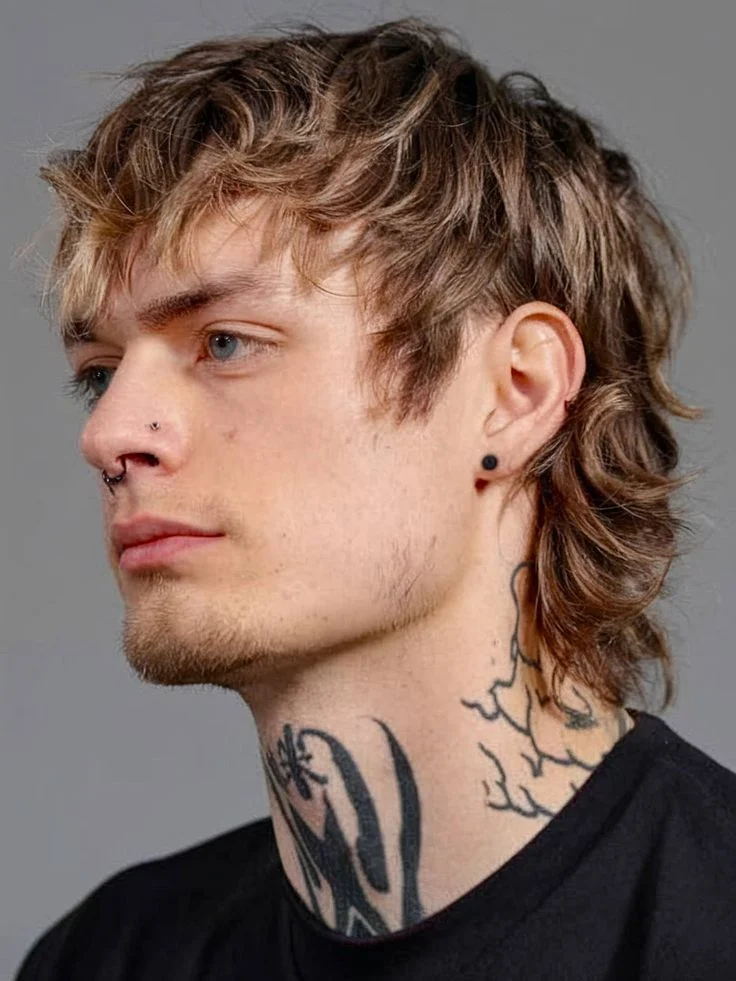
Blurs the line between mullet and shag haircut with choppy, feathered layers. The shagginess softens the traditional contrast, creating an approachable, relaxed style popular among creative professionals. Best for wavy or curly hair; suits oval, round, and oblong faces. Low difficulty; looks better as it grows. Style with sea salt spray and light cream.
24. Flow Mullet
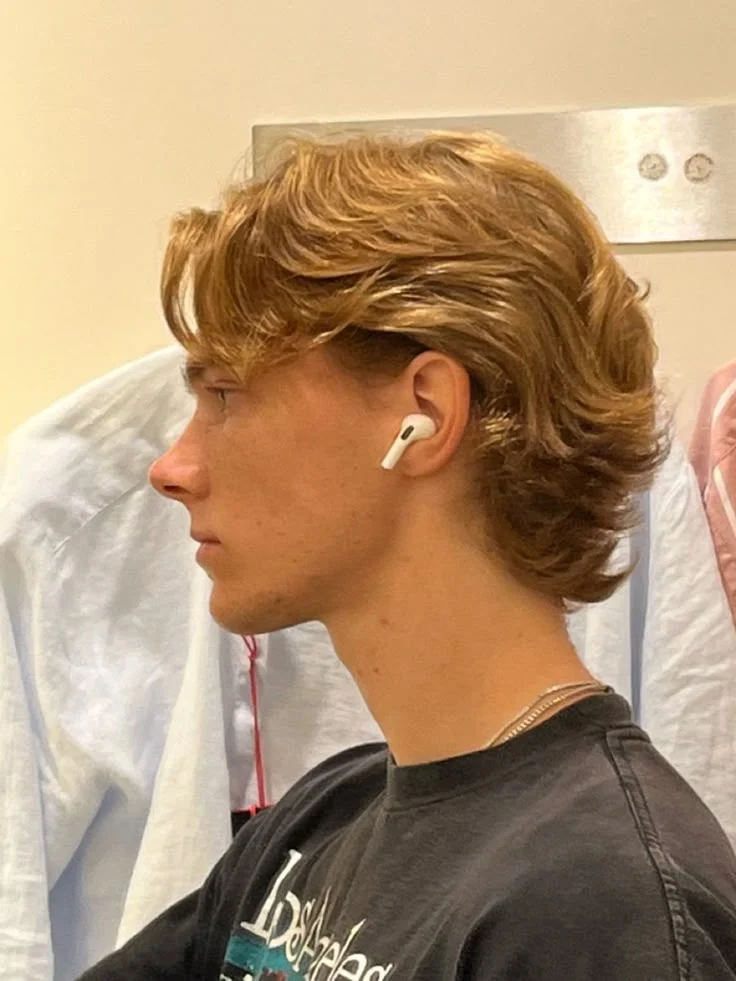
Designed for maximum movement with longer, graduated layers that create natural motion. Inspired by the hockey flow aesthetic but refined for everyday wear. Best for straight or wavy hair; suits oval, square, and oblong faces. Medium difficulty. Style with leave-in conditioner and light styling cream.
25. Surfer Mullet
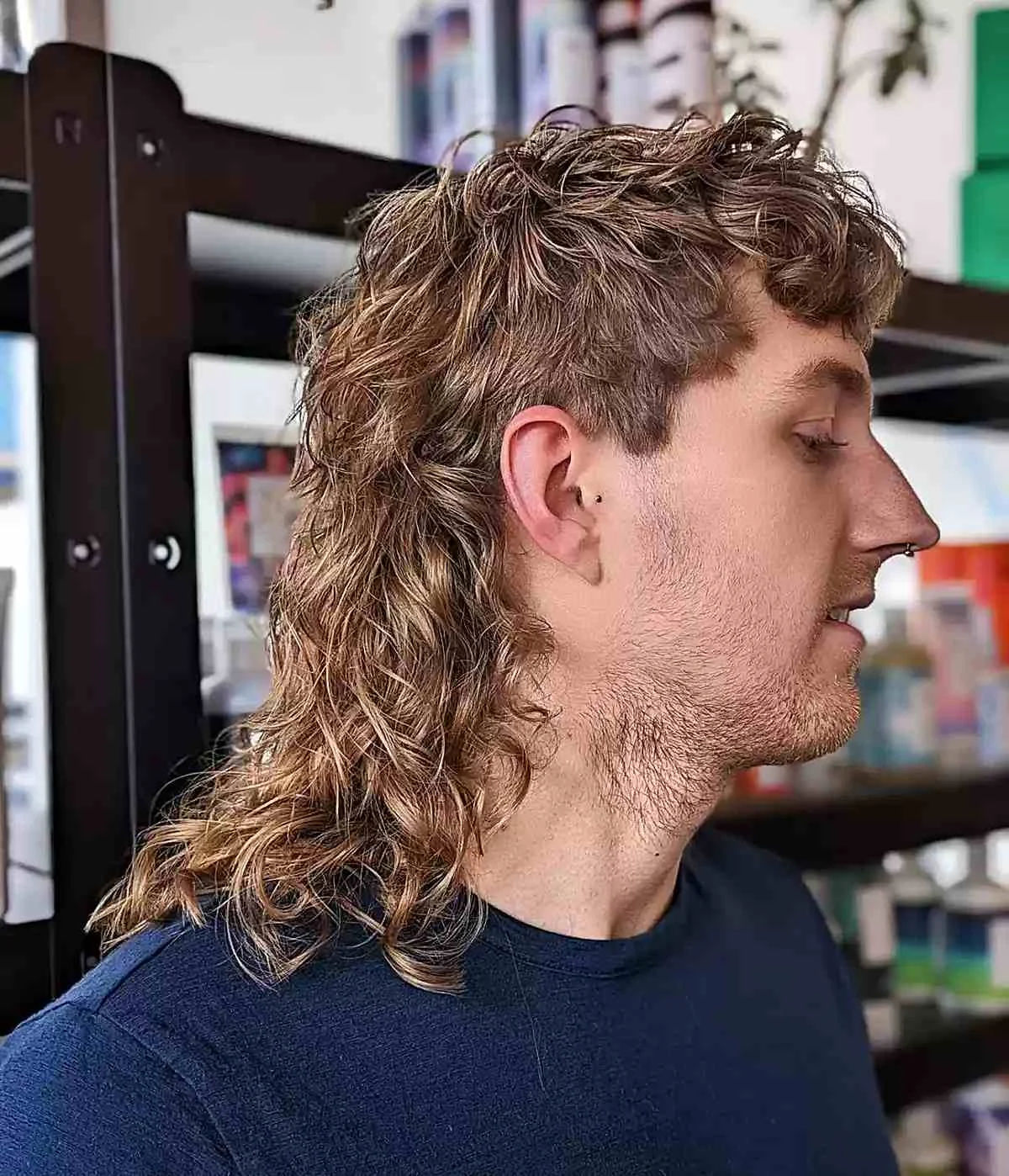
Combines relaxed, sun-bleached surfer aesthetics with mullet structure. The back is long, loose, and slightly wavy; the top and sides are manageable. Looks best when it appears effortless. Best for wavy or straight hair; suits oval, round, and square faces. Low difficulty. Style with sea salt spray and leave-in conditioner.
26. Long Curly Mullet
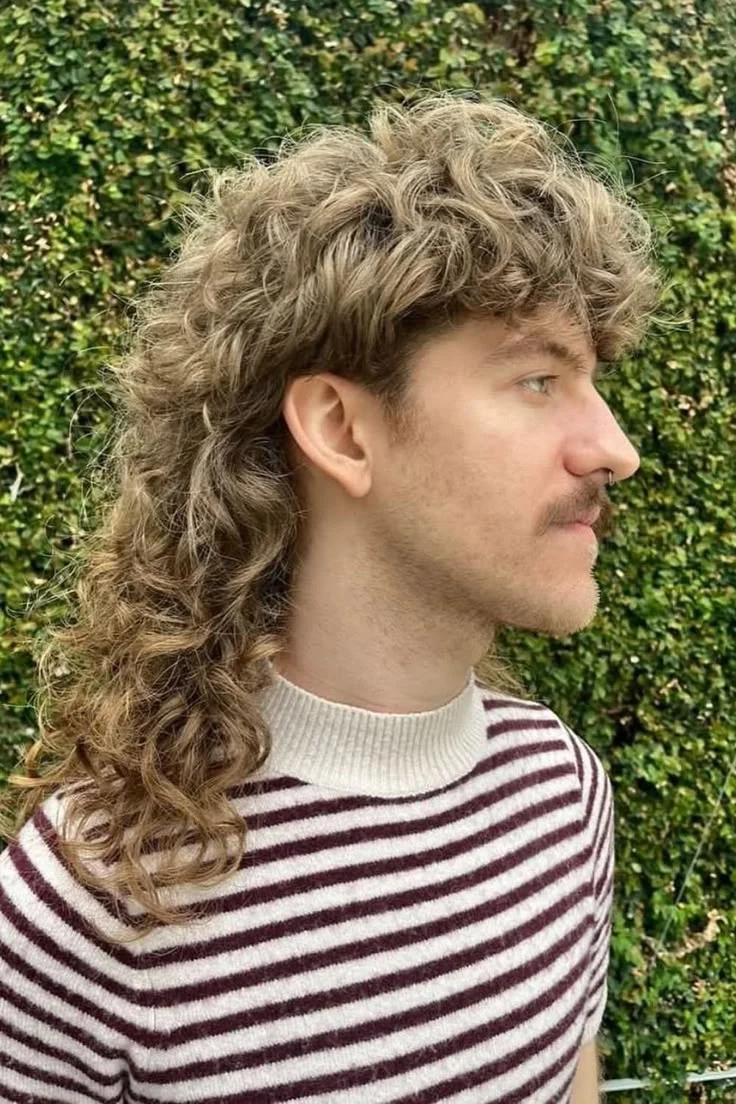
A showstopper featuring full, defined curls past the collar at the back, with shorter top and sides framing the face. The contrast between controlled front and voluminous back curls creates a dramatic look. Best for curly or coily hair; suits oval, diamond, and square faces. Medium difficulty. Style with curl cream, leave-in conditioner, and diffuser.
27. Long Straight Mullet
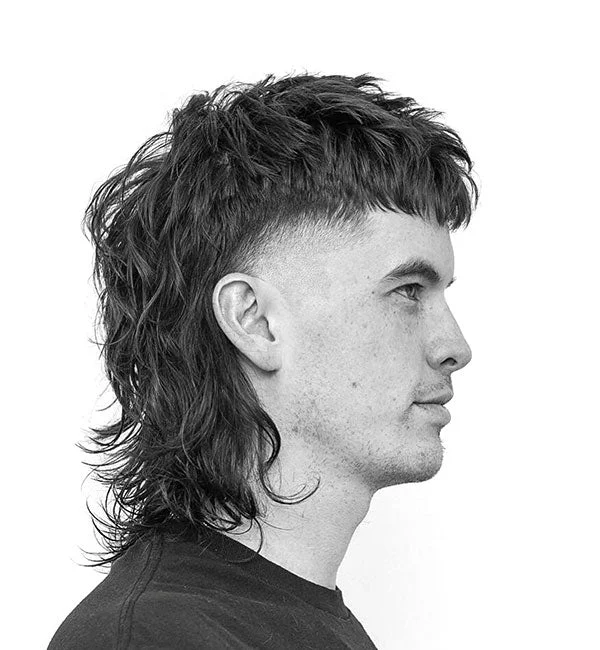
Creates a sleek, polished version with smooth, clean back length. The most elegant long mullet, suitable for fashion-forward individuals who prefer clean lines over messy texture. Best for straight hair; suits oval, oblong, and diamond faces. Medium difficulty. Style with shine serum and light pomade.
28. Layered Wolf Mullet
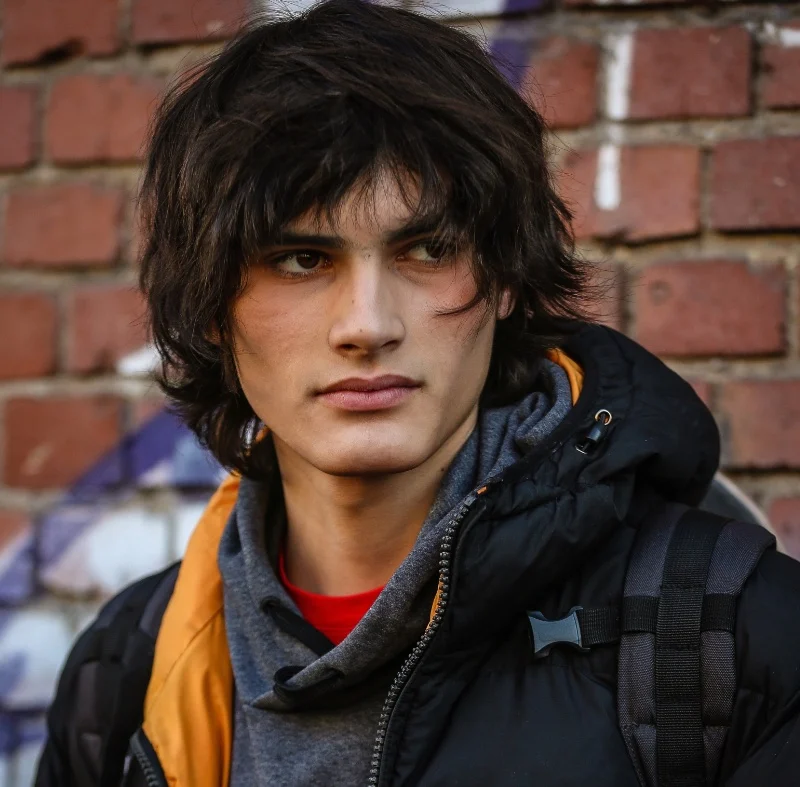
Sits at the intersection of mullet and wolf cut, combining heavy choppy layers with intentional back length. One of the most requested long styles in 2026. Best for wavy, thick, or curly hair; suits oval, square, and diamond faces. Medium-high difficulty. Style with texture powder, sea salt spray, and matte clay.
29. Retro Mullet
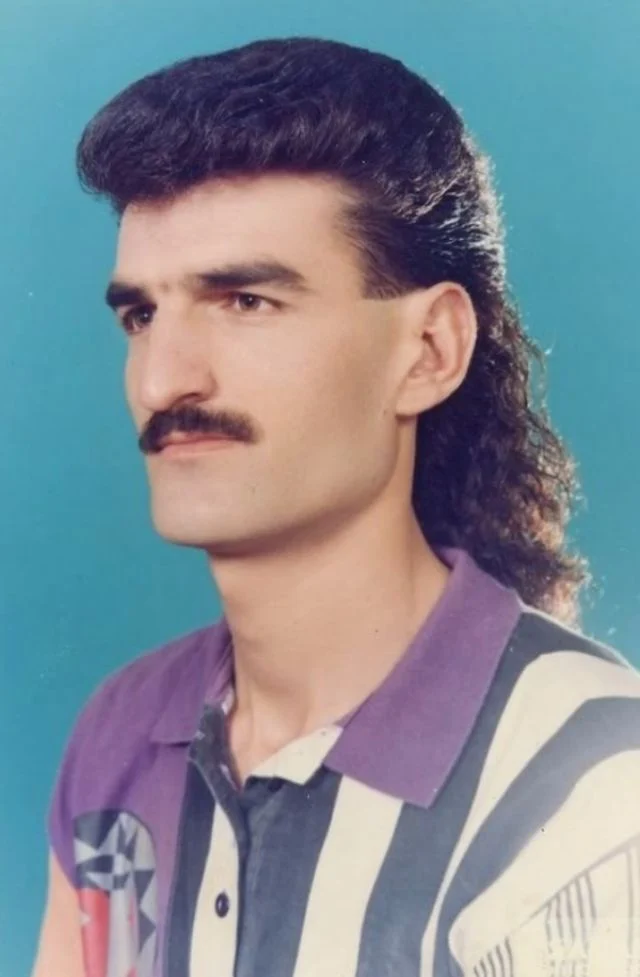
Pays homage to the 1980s classic but with modern texture, better blending, and intentional styling. Works best paired with modern clothing for deliberate contrast. Best for thick or straight hair; suits square, oval, and diamond faces. Medium difficulty. Style with pomade for the top and sea salt spray for the back.
30. Metal-Inspired Mullet
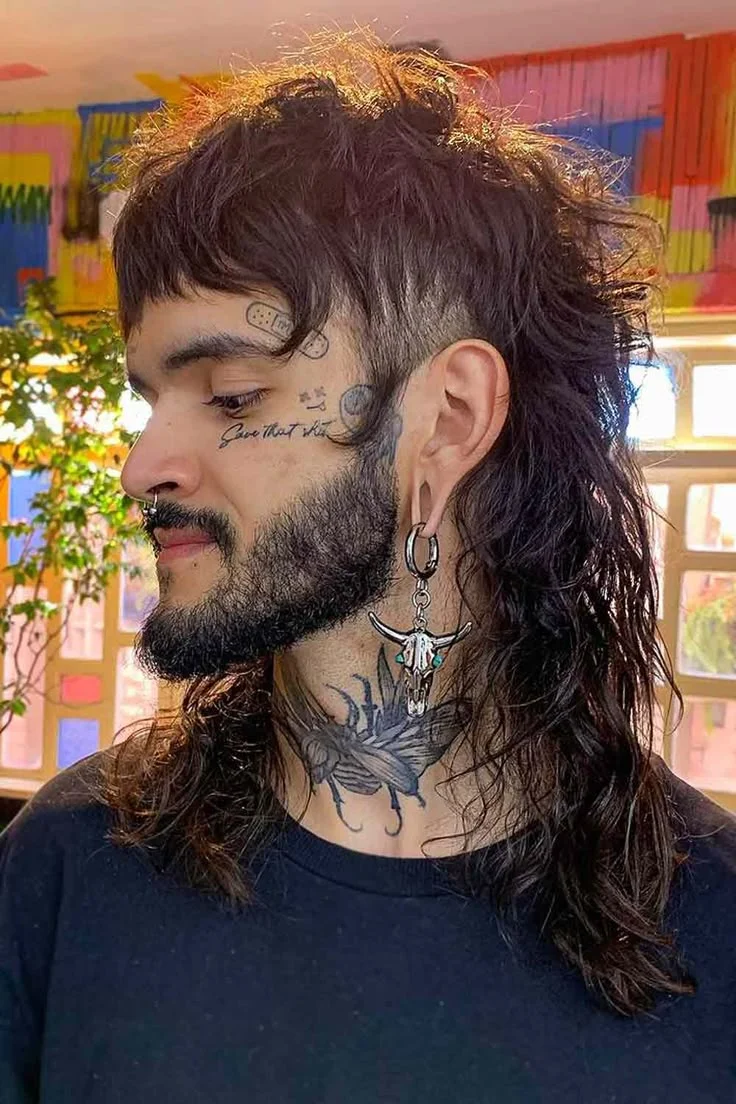
The most extreme long mullet with dramatic back length, aggressive texture, and maximum volume. Inspired by heavy metal musicians, this unapologetic style commands attention. Best for thick, straight, or wavy hair; suits oval, square, and diamond faces. High difficulty. Style with volumizing mousse, strong hold spray, and sea salt spray.
Curly and Textured Mullets
Curly and textured mullets are among the most visually striking categories because natural texture amplifies the mullet’s inherent contrast in ways that product alone cannot replicate. Curls and coils at the back create volume and dimension that straight-haired mullets can only approximate with extensive styling. These styles require specific cutting techniques and curl-specific products, but the results are among the most head-turning mullets you can wear. The key principle for textured mullets is working with your natural pattern rather than fighting against it. When curls are given the right cut and care, they reward you with a mullet that looks effortlessly dramatic.
31. Curly Burst Fade Mullet
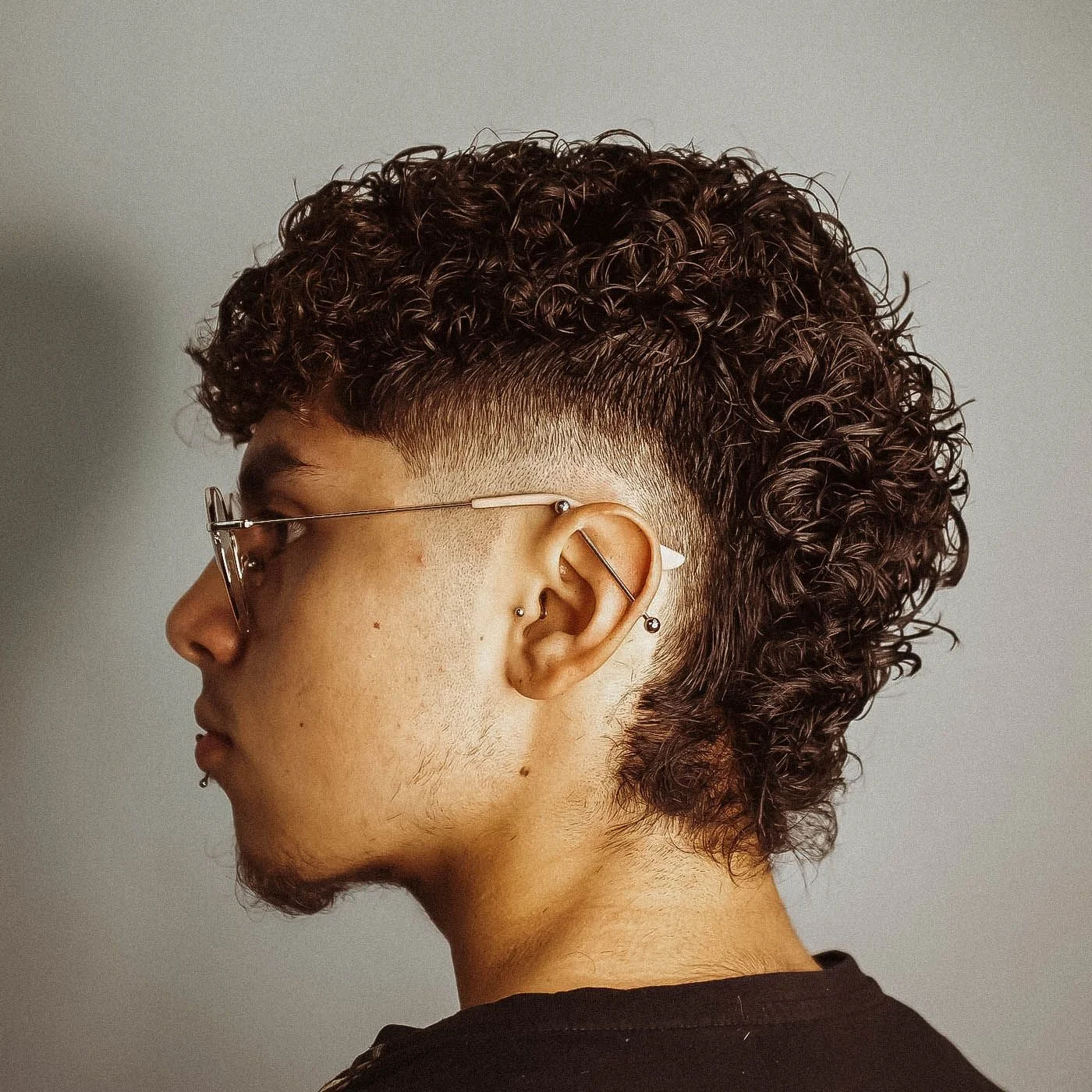
Combines the most popular fade technique with natural curl texture. The burst fade creates a clean frame highlighting the curl pattern, while longer back curls provide dramatic volume. One of the most photogenic mullet styles. Best for curly hair; suits oval, square, and diamond faces. Medium difficulty. Style with curl cream, diffuser, and leave-in conditioner.
32. Curly Fringe Mullet
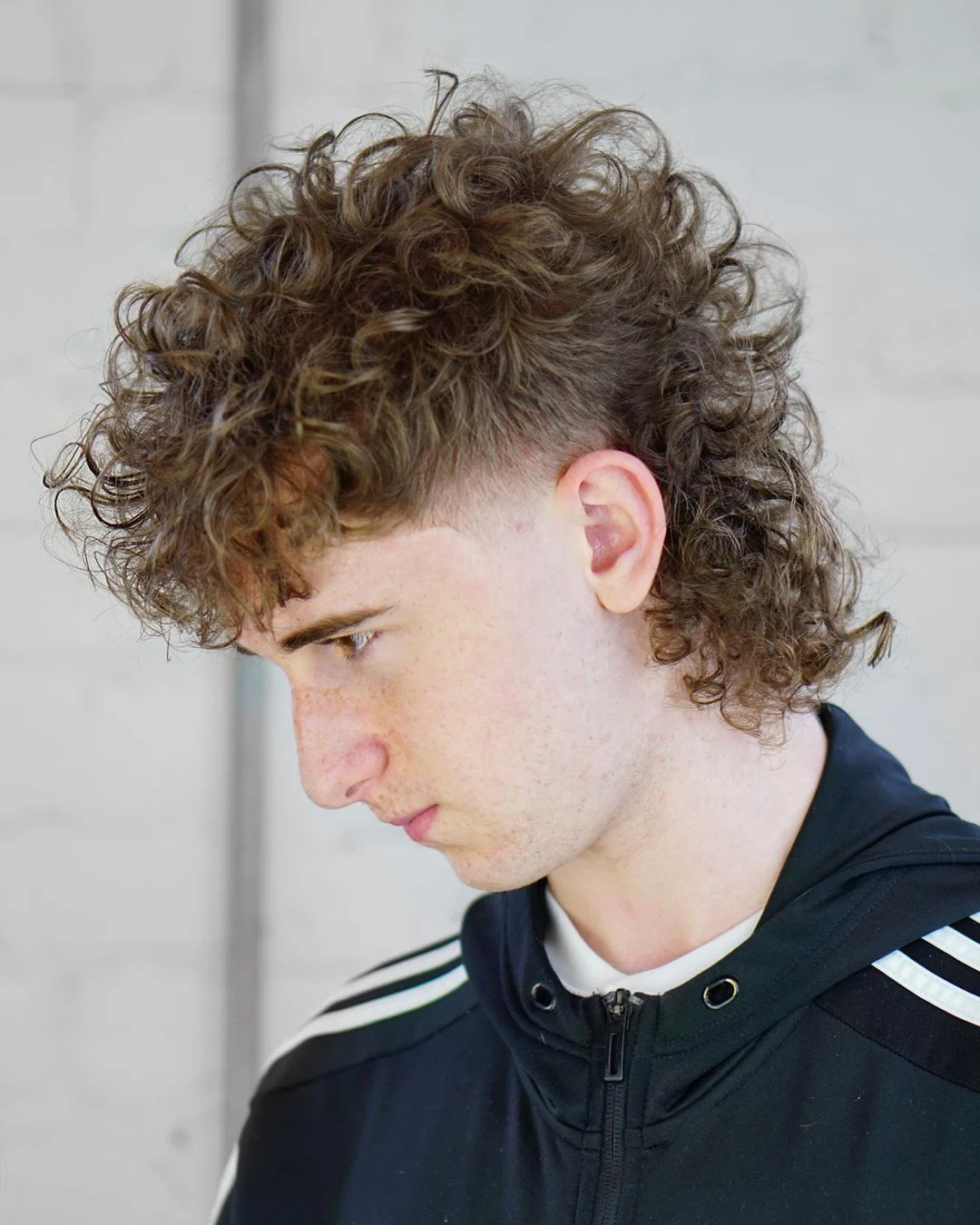
Features defined curls falling forward as a fringe, with longer curls at the back. The fringe creates a face-framing effect that softens features. Works best with looser curl patterns that naturally fall forward. Best for loose to medium curls; suits round, oval, and square faces. Medium difficulty. Style with curl cream and gel for fringe definition.
33. Afro Mullet
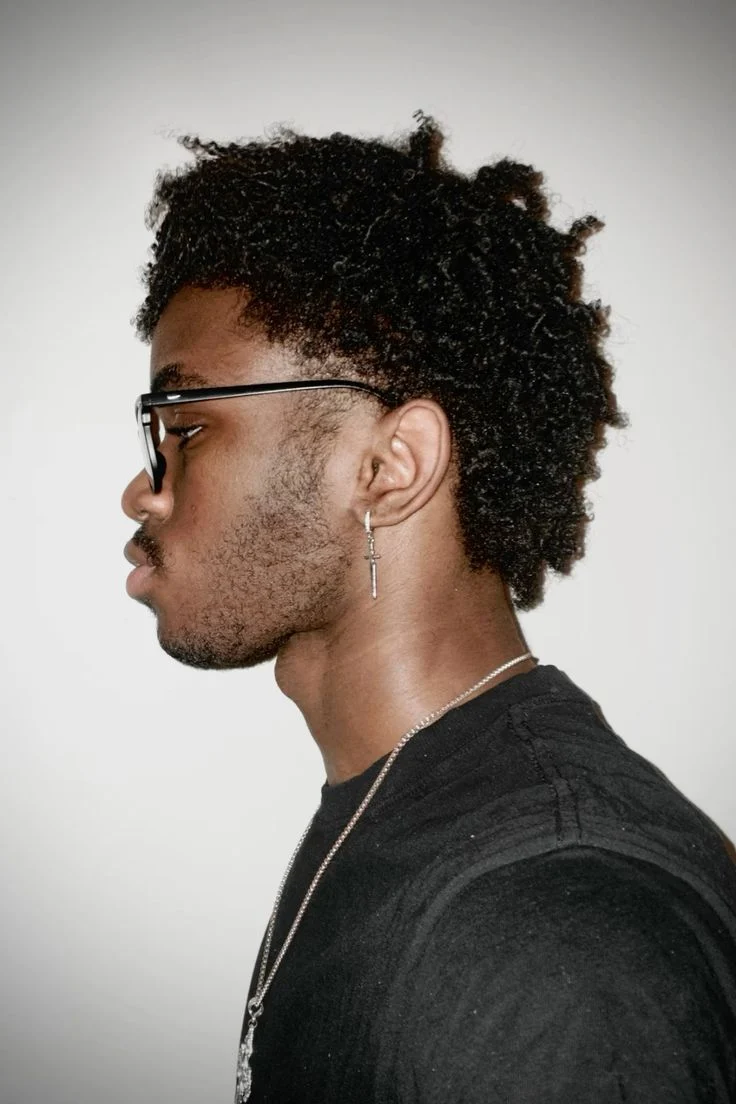
Combines the volume and texture of an afro on top with extended length at the back. Celebrates natural Black hair texture in a modern, fashion-forward way. Increasingly visible in style media and on runways. Best for coily or afro-textured hair; suits oval, square, and diamond faces. Medium difficulty. Style with curl cream, hair oil, and pick comb.
34. Coily Hair Mullet
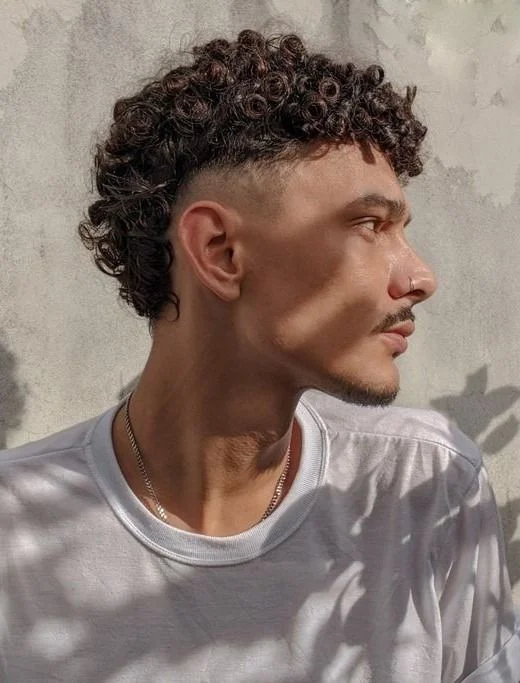
Embraces tight coil patterns with extended back length. The coils create incredible natural volume and texture. The key is working with the coil pattern rather than against it, using moisture-rich products. Best for coily hair; suits oval, diamond, and oblong faces. Medium difficulty. Style with leave-in conditioner, coil cream, and hair oil.
35. Wavy Mullet
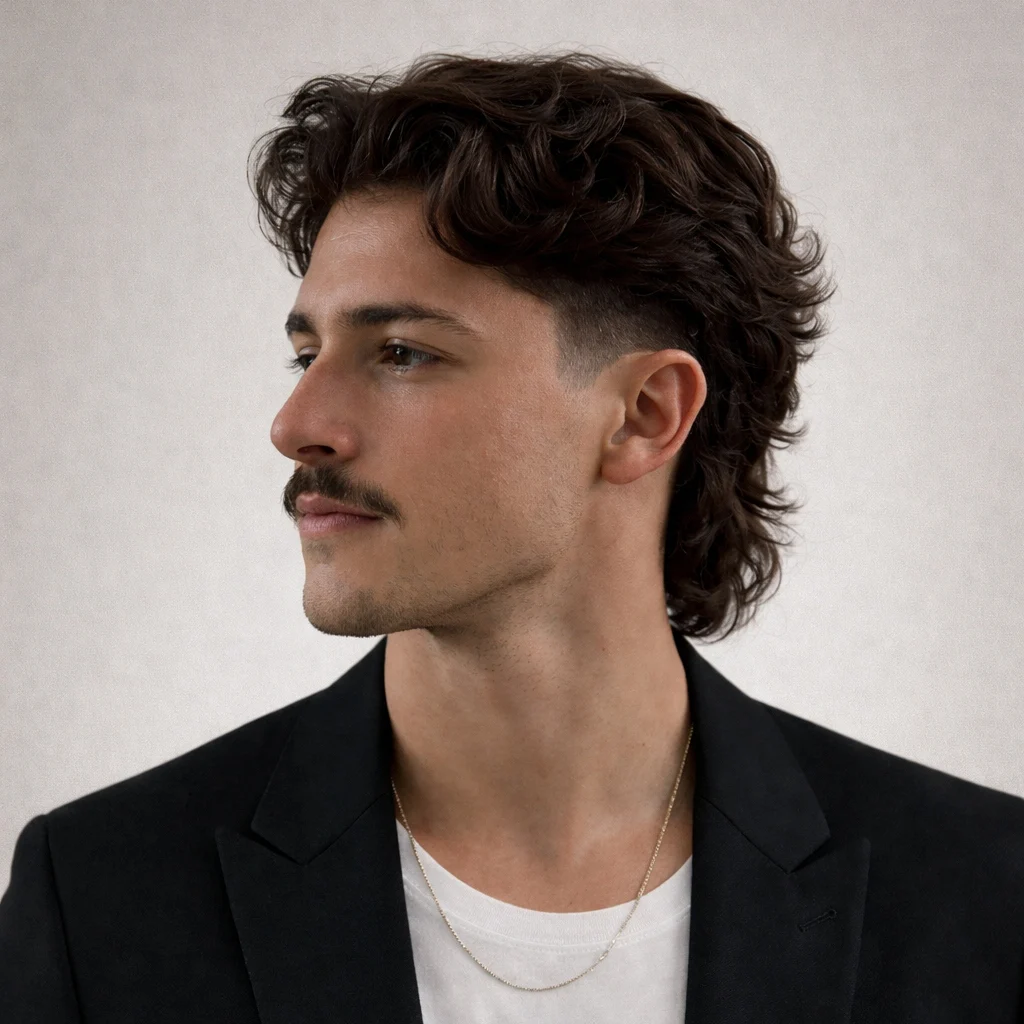
Harnesses natural wave patterns for a flowing, relaxed style. Waves add movement and dimension to the back length that straight hair cannot achieve naturally. Works best when waves are enhanced rather than controlled. Best for wavy hair; suits oval, round, and square faces. Low difficulty. Style with sea salt spray, light cream, and diffuser.
36. Permed Mullet
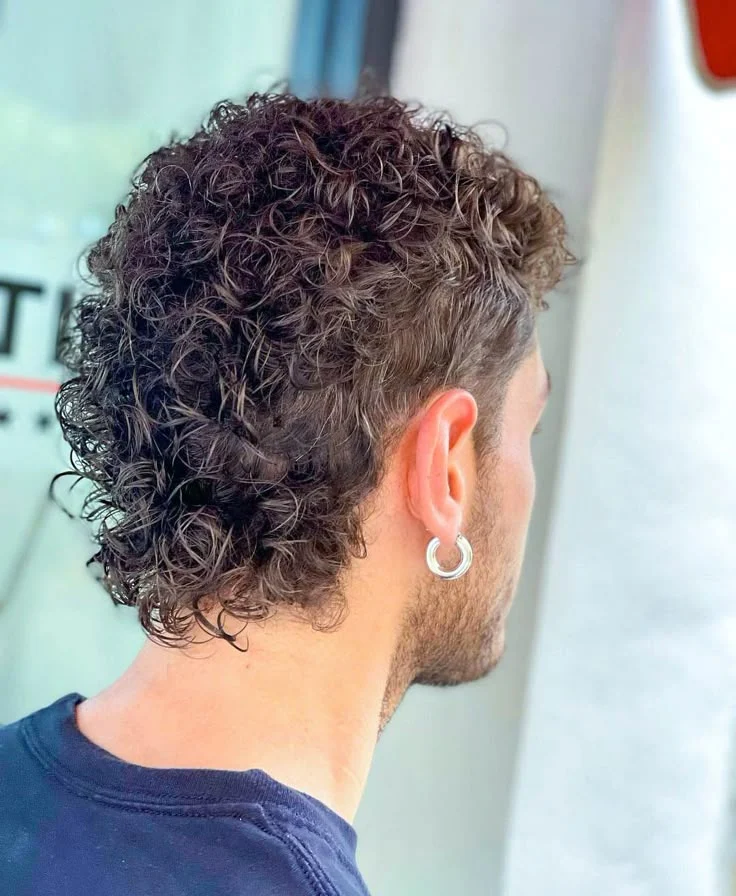
Uses a modern perm to add curl or wave to straight hair, creating the texture needed for a voluminous mullet. Modern perms are gentler and more natural-looking than 1980s versions. Best for straight hair with a perm; suits oval, square, and oblong faces. High difficulty. Style with perm-safe shampoo, curl cream, and leave-in conditioner.
37. Loose Curl Mullet
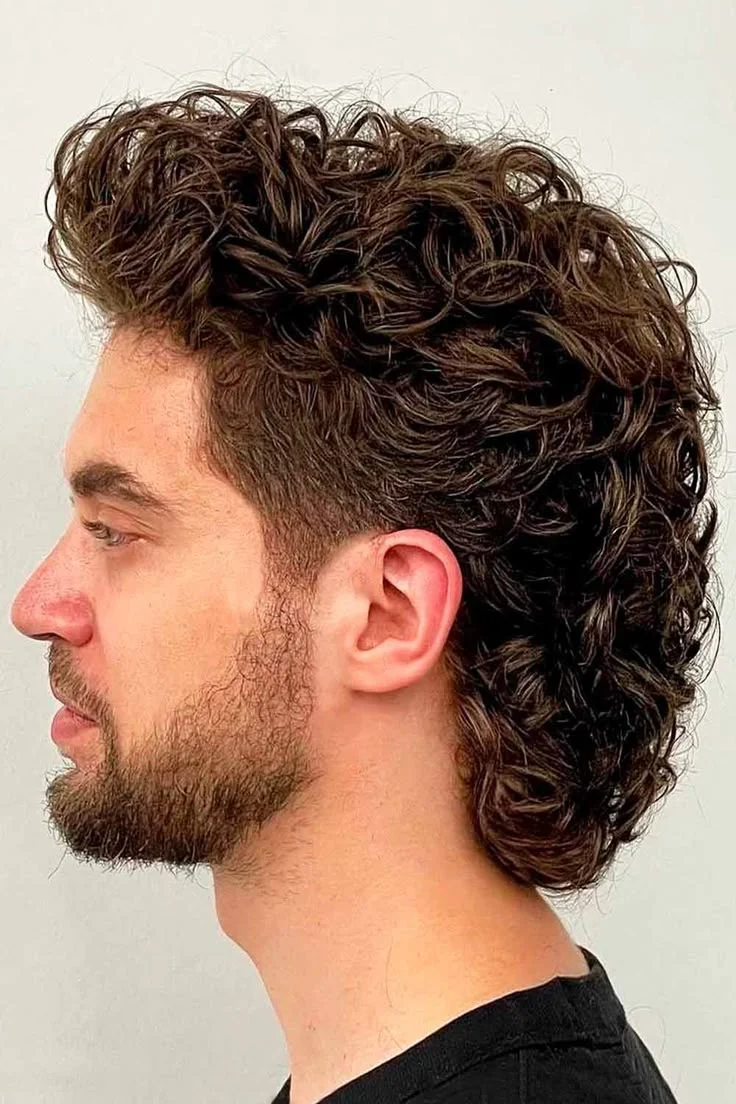
Works with relaxed, wide curl patterns for a soft, flowing aesthetic. Unlike tight curls that create dramatic volume, loose curls provide gentle movement and a romantic quality. Popular among creative professionals. Best for loose curls; suits oval, round, and oblong faces. Low difficulty. Style with curl cream, light gel, and diffuser.
38. Textured Crop Mullet
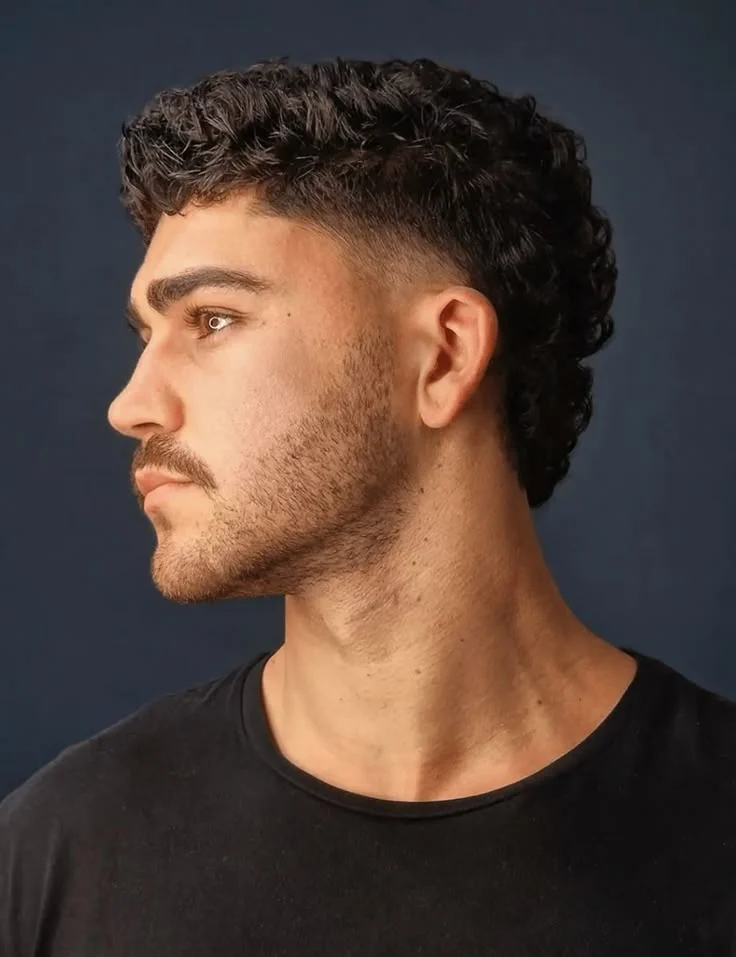
Borrows the short, heavily textured top of a crop cut and extends it into a mullet back. The choppy, piece-y top texture contrasts with the longer back for a contemporary look. Best for straight, wavy, or fine hair; suits oval, square, and round faces. Medium difficulty. Style with texture powder, matte clay, and sea salt spray.
39. Messy Texture Mullet
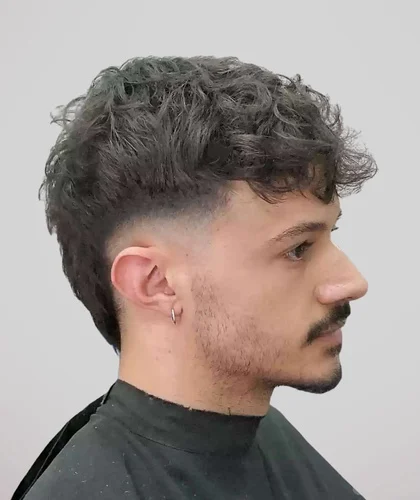
Prioritizes controlled chaos across the entire head with heavy texturizing. The anti-perfection mullet for maximum visual interest with minimum styling effort. The style improves with less effort. Best for wavy, thick, or curly hair; suits oval, round, and diamond faces. Very low difficulty. Style with sea salt spray and texture powder.
40. Beach Texture Mullet
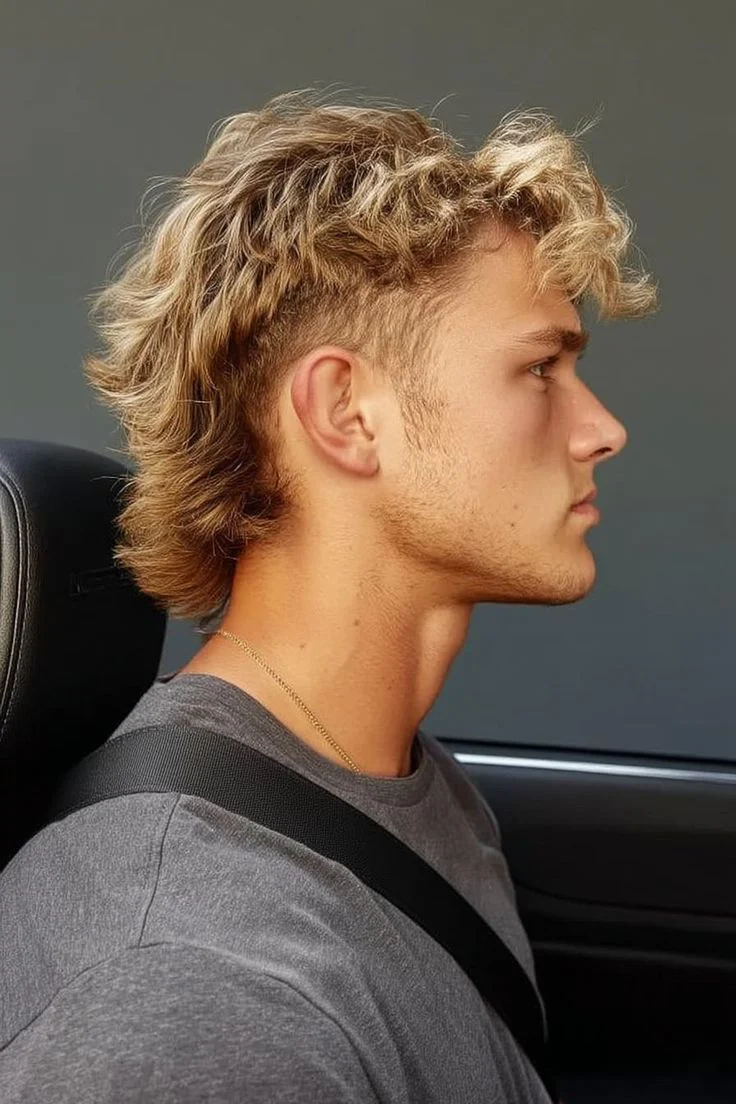
Mimics the effect of ocean water and sun, creating a relaxed, salt-textured aesthetic. Pairs naturally with casual wardrobes and warm-weather style. Looks best with natural highlights or sun-bleached tones. Best for wavy or straight hair; suits oval, round, and square faces. Low difficulty. Style with sea salt spray, light cream, and leave-in conditioner.
Straight Hair Mullets
Straight hair mullets have seen a massive surge driven largely by Asian and Korean hairstyle trends that have reshaped men’s grooming worldwide. K-pop idols and Korean drama actors have made the softly layered, elegantly draped mullet one of the most sought-after styles for men with naturally straight hair. These variations emphasize clean lines, soft layers, and precise cutting techniques that create movement without relying on natural texture. The straight hair mullet represents a different philosophy from its Western counterpart: where Western mullets often celebrate messiness and rebellion, the Asian-inspired approach values precision, softness, and deliberate artistry. This contrast has enriched the mullet category significantly.
41. Straight Hair Taper Mullet
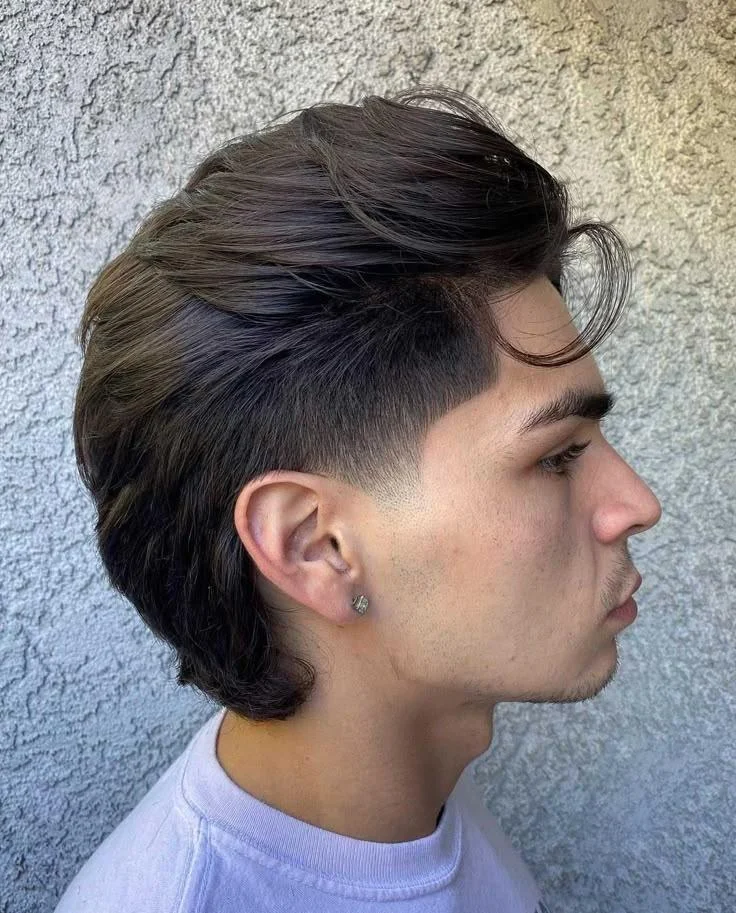
The foundational straight hair mullet using a clean taper that gradually transitions into longer back length. The straight texture creates a sleek, polished finish that relies on precise cutting. Best for straight hair; suits oval, square, and oblong faces. Low-medium difficulty. Ask for precise layers with point-cut ends. Style with light styling cream and shine serum.
42. Korean-Inspired Mullet
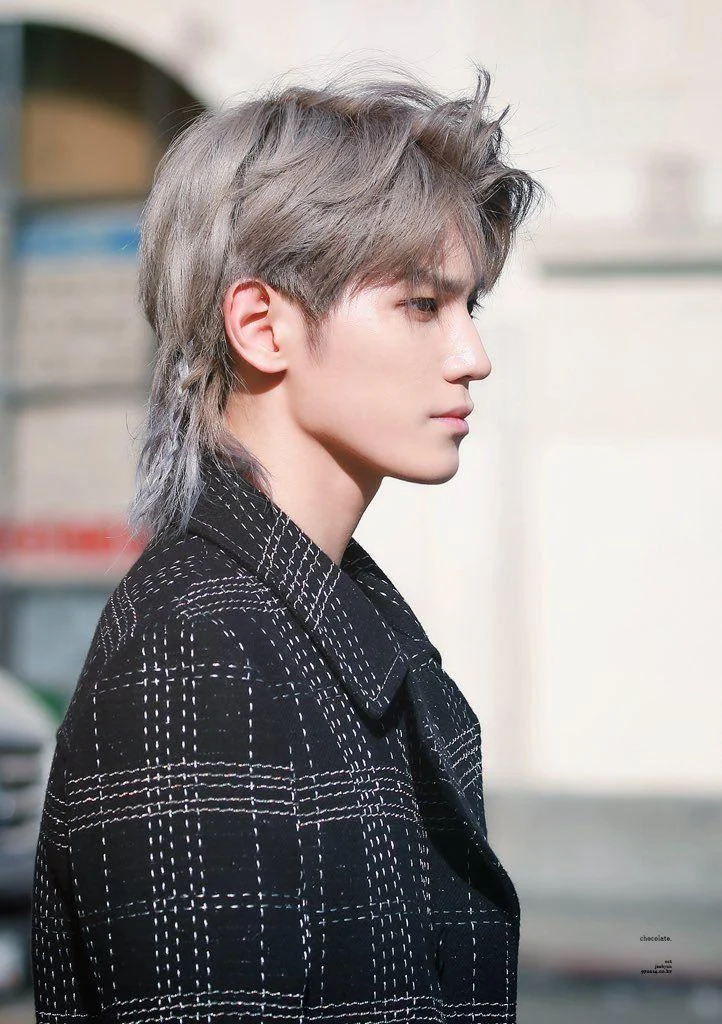
One of the most influential styles of 2026, popularized by K-pop idols. Features soft, wispy layers, a gently curved fringe, and back length falling between collar and shoulders. Deliberately soft and romantic, avoiding aggressive contrast. Best for straight or fine Asian hair; suits oval, round, and heart faces. Medium difficulty. Style with light styling cream and sea salt spray.
43. Asian Modern Mullet
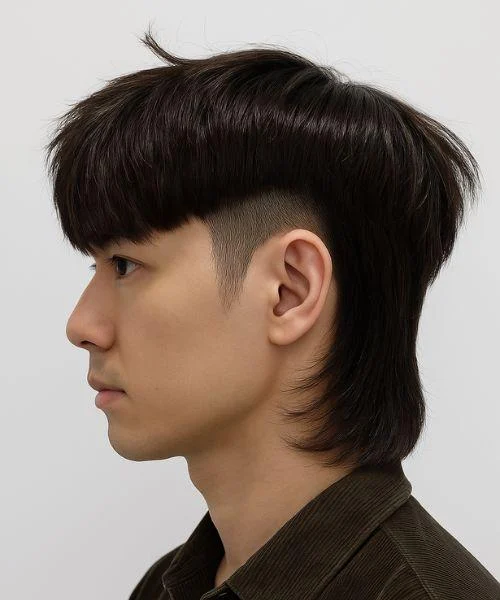
Adapts the mullet specifically for Asian hair textures, which tend to be straighter, thicker, and coarser. Uses strategic thinning and layering to reduce bulk while maintaining shape. A controlled, structured version that works with natural hair properties. Best for Asian hair; suits oval, square, and round faces. Medium difficulty. Style with styling cream and light pomade.
44. Layered Straight Mullet
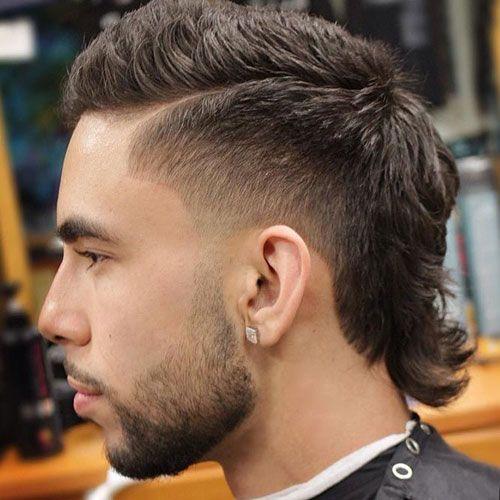
Uses multiple layers to create movement and volume in hair that naturally falls flat. Without layers, straight mullets look limp; with proper layering, the same hair gains dimension. Best for straight or fine hair; suits oval, oblong, and diamond faces. Medium difficulty. Style with volumizing mousse, sea salt spray, and texture powder.
45. Soft Mullet
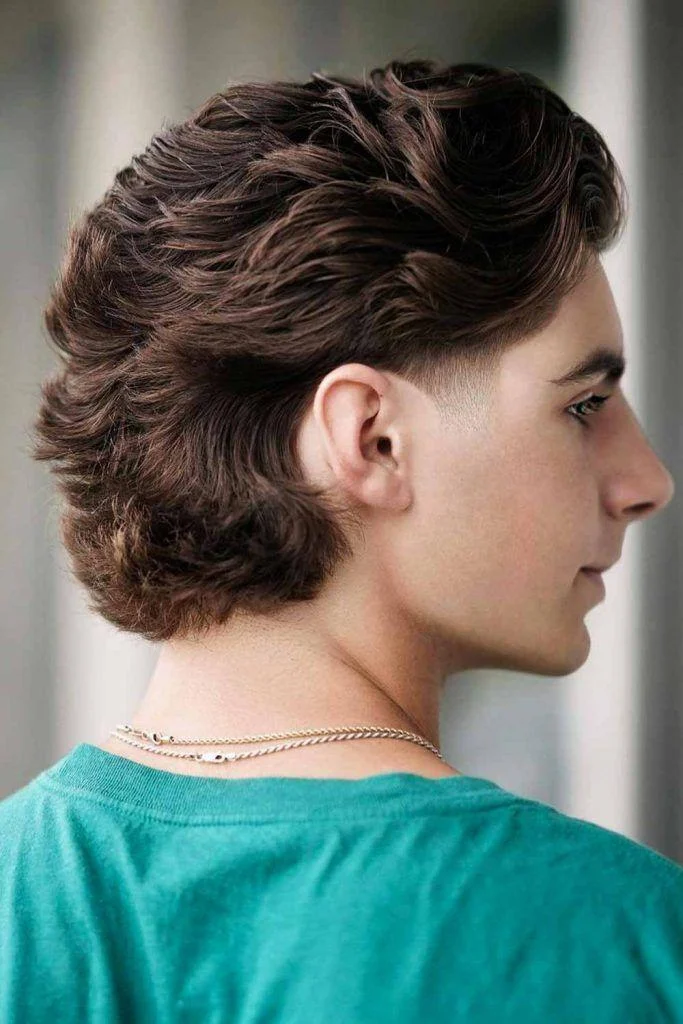
Eliminates all harsh lines in favor of gentle, flowing transitions. The difference between front and back is minimal, sides are softly tapered, and texture is smooth. The mullet for men easing into the style. Best for straight or fine hair; suits oval, round, and oblong faces. Low difficulty. Style with light cream and shine serum.
46. E-Boy Mullet
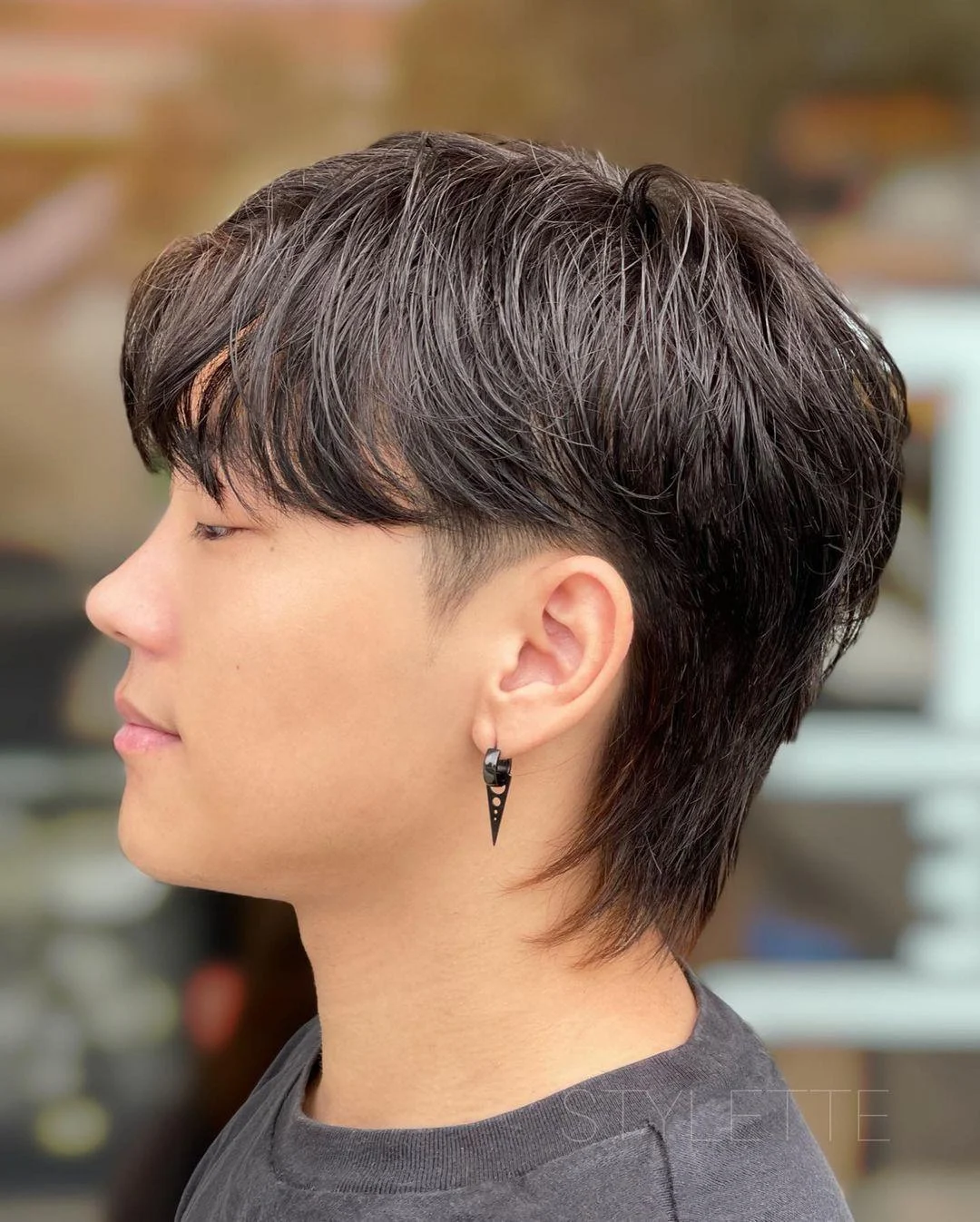
Merges internet culture aesthetics with the mullet shape. Features a middle part, wispy curtain fringe, and longer back. Draws from TikTok and Instagram fashion influences with deliberate, curated messiness. Best for straight or fine hair; suits oval, oblong, and heart faces. Medium difficulty. Style with sea salt spray, matte paste, and texture powder.
47. Curtain Bangs Mullet
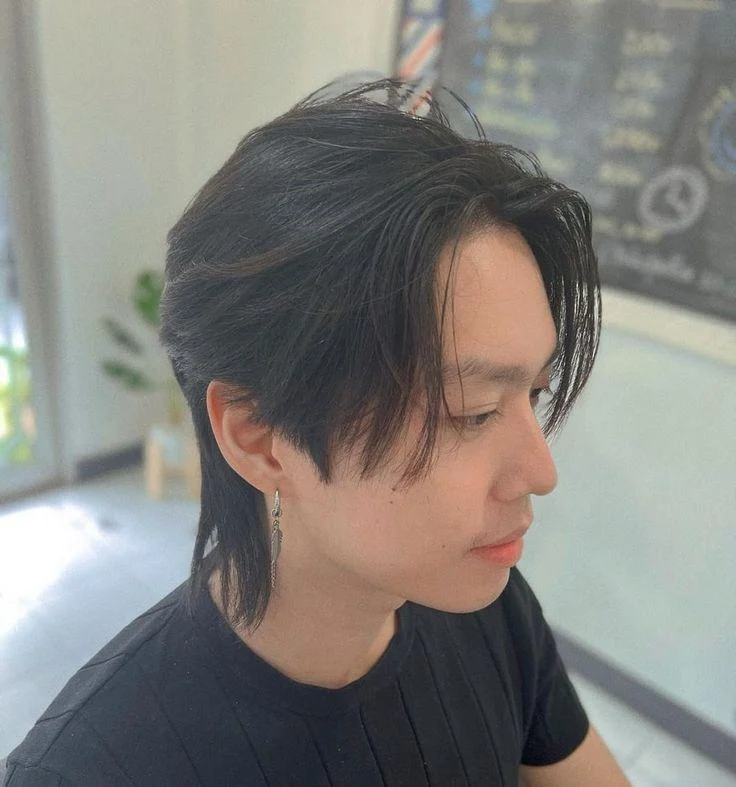
Features a center-parted fringe falling like curtains on either side of the face, paired with a longer back. The curtain bangs frame the face with a 1970s-inspired aesthetic that feels fresh. Has crossover appeal between mullet and curtain bangs trends. Best for straight or wavy hair; suits oval, round, and heart faces. Medium difficulty. Style with styling cream and sea salt spray.
48. K-Pop Mullet
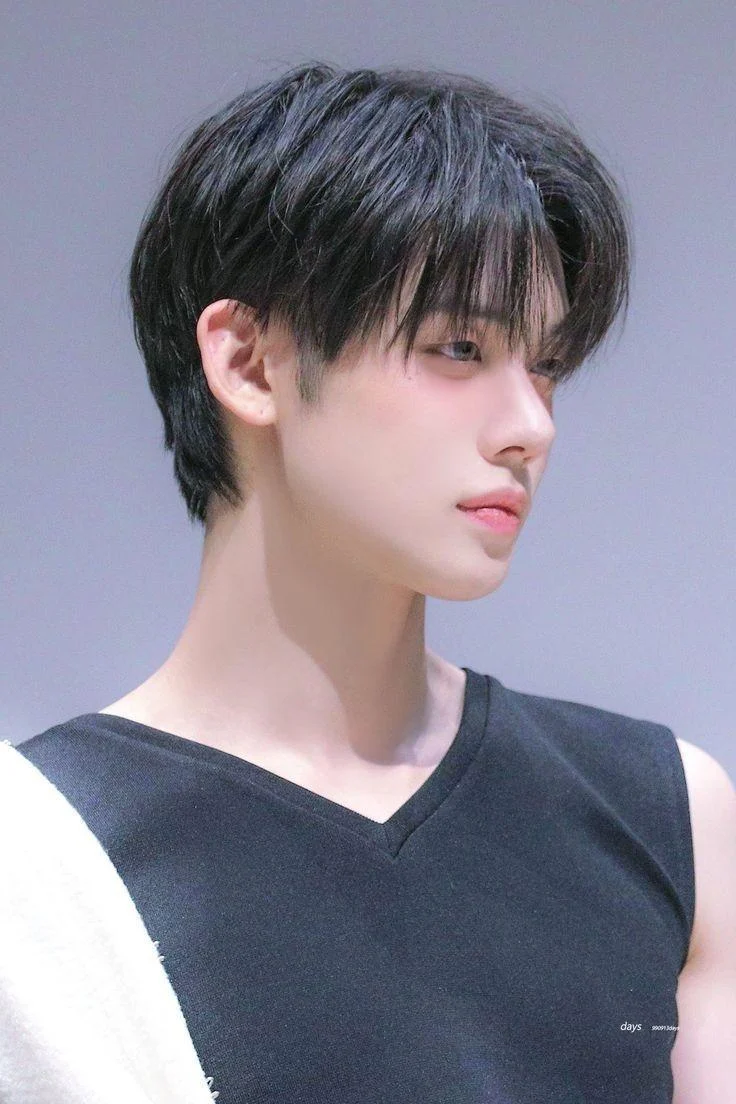
The specific variation worn by Korean pop idols, characterized by precise, artistic layering and back length to mid-neck. Every strand appears intentionally placed. Demands the most maintenance but delivers the most polished result. Best for straight Asian hair; suits oval, heart, and round faces. High difficulty. Style with styling cream, light gel, and shine spray.
49. Sleek Modern Mullet
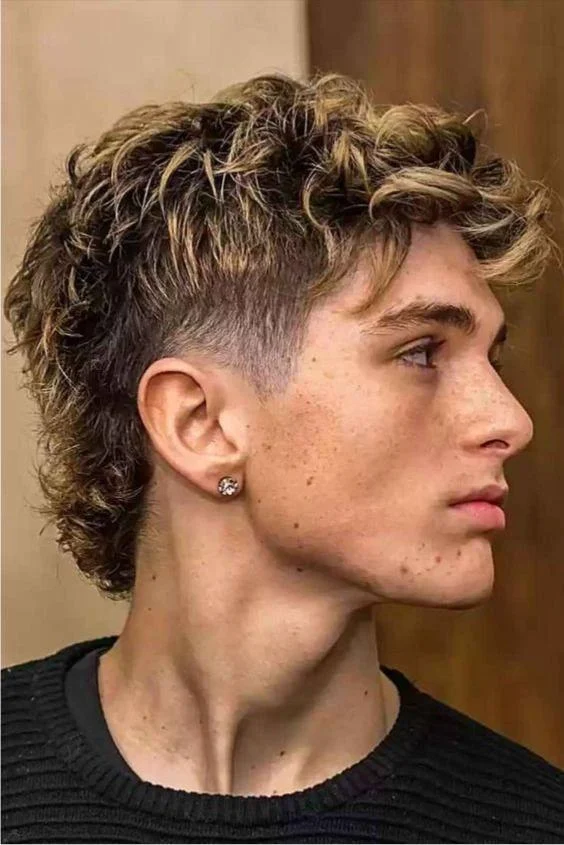
Prioritizes clean lines and a polished finish. Unlike most mullets that embrace texture, this variation uses product for a smooth, controlled look. The most formal mullet, suitable for evening events and fashion-forward professional settings. Best for straight hair; suits oval, oblong, and diamond faces. High difficulty. Style with pomade, shine serum, and styling cream.
50. Side-Part Mullet
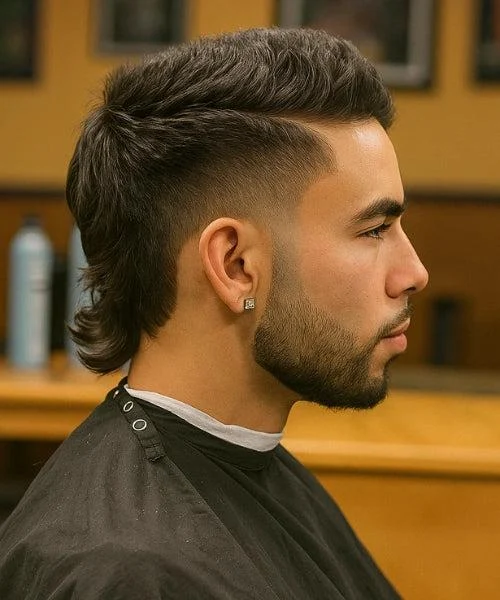
Adds a classic side part to the mullet shape for a structured, traditional aesthetic. The part organizes the top while the back flows freely, creating appealing contrast between order and freedom. Bridges conservative and alternative styling. Best for straight or wavy hair; suits oval, square, and round faces. Medium difficulty. Style with pomade for the part and sea salt spray for the back.
Edgy and Hybrid Mullets
The final category pushes the boundaries of what a mullet can be by combining it with other bold haircut traditions. These hybrid styles create unique looks that defy easy categorization and attract men who view their haircut as a core extension of their personal identity rather than simply a grooming choice. Edgy and hybrid mullets are not for the faint of heart, but for those willing to embrace them, they offer a level of self-expression that no other haircut category can match. These styles are most commonly seen in music, fashion, and creative industries, where personal style serves as a professional asset.
51. Mohawk Mullet
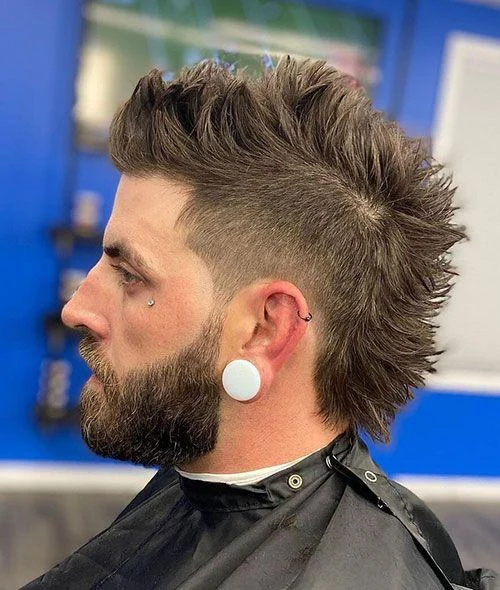
Merges the raised center strip of a mohawk with extended mullet back length. The sides are faded or shaved, the center has height and volume, and the back extends beyond a traditional mohawk endpoint. Punk-inspired and visually aggressive. Best for thick, straight, or wavy hair; suits oval, square, and diamond faces. High difficulty. Style with strong hold gel, matte clay, and hairspray.
52. Faux Hawk Mullet
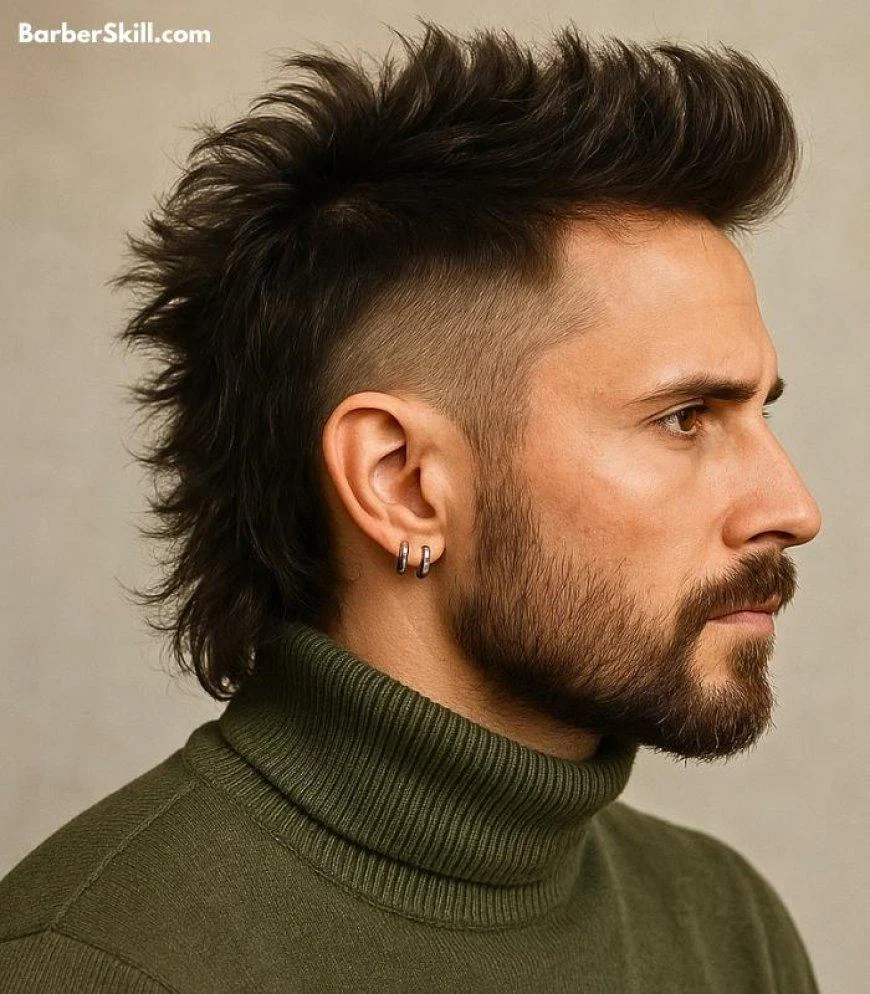
Provides the visual impression of a mohawk without shaved sides. The center section is styled upward while sides remain short but present. A less extreme version that works in more social settings. Best for straight, wavy, or thick hair; suits oval, round, and square faces. Medium-high difficulty. Style with strong hold clay and texture powder.
53. Reverse Mullet
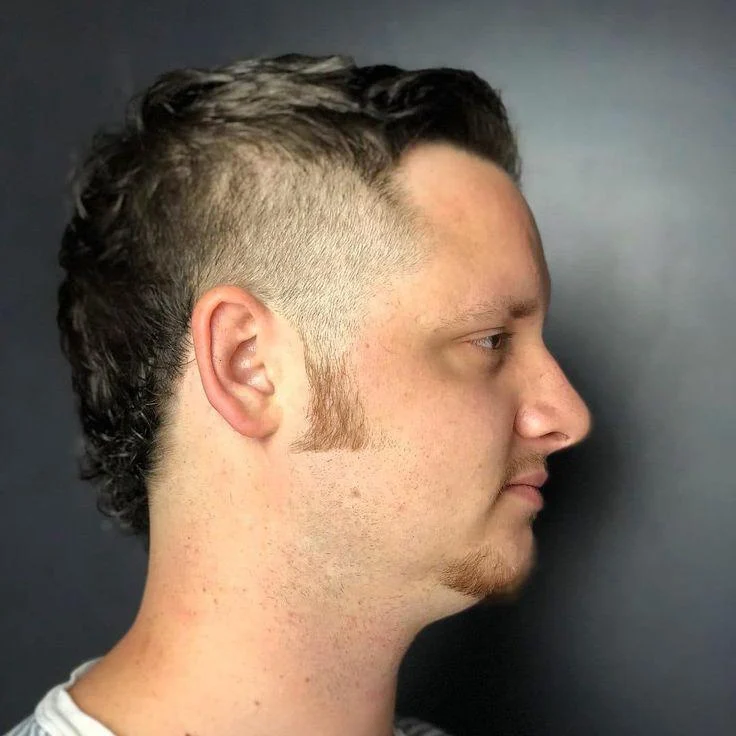
Flips the traditional formula: longer in the front and shorter in the back. While it contradicts the mullet definition, it plays with the same length-differential concept. Long, face-framing front layers with a tapered or faded back. Avant-garde and subversive. Best for straight or wavy hair; suits oval, oblong, and diamond faces. High difficulty. Style with styling cream and matte paste.
54. Undercut Mullet
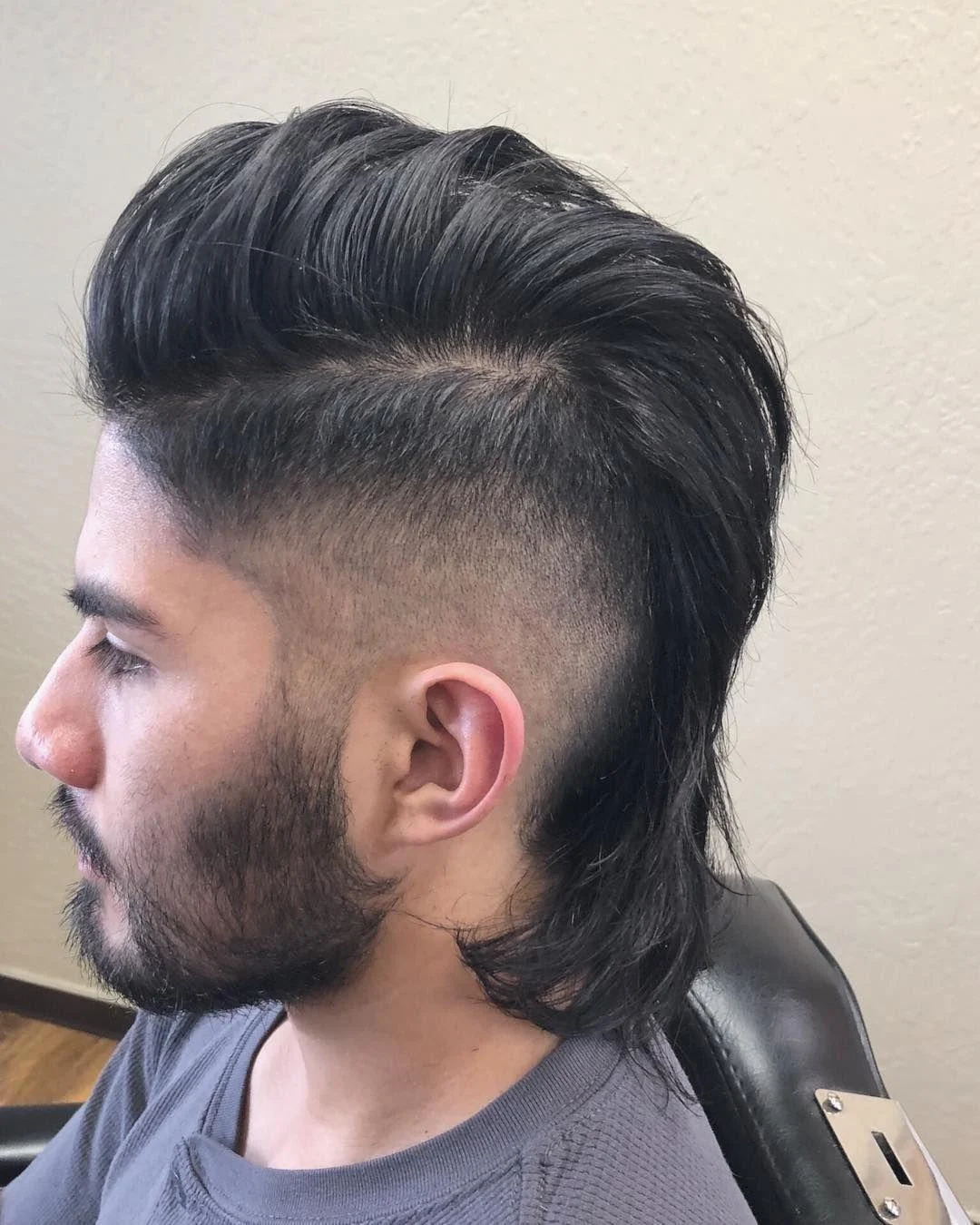
Features completely disconnected sides that are shaved or very short, with no blending into the top or back. The top and back form one continuous section of longer hair. Creates stark contrast that makes the back length impossible to miss. Draws from punk and streetwear aesthetics. Best for all types, especially thick and straight; suits oval, square, and diamond faces. Medium difficulty. Style with strong hold clay, texture powder, and sea salt spray.
55. Wolf Cut Mullet
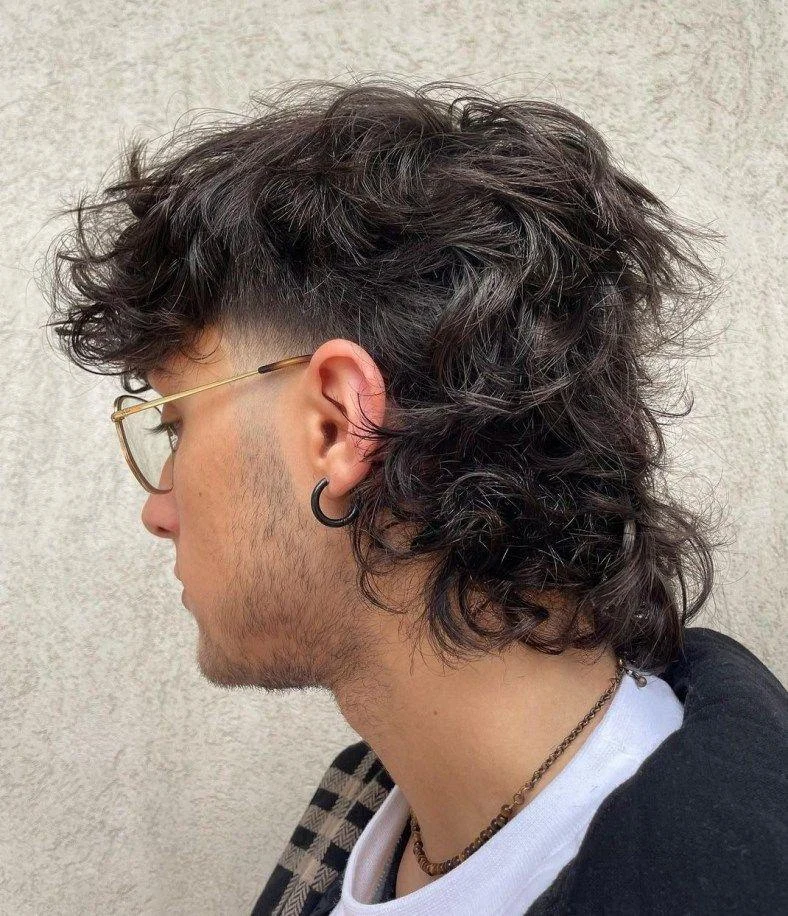
The ultimate hybrid combining choppy, face-framing wolf cut layers with intentional mullet back length. The top features wolf cut volume and chaos, the back extends into unmistakable mullet territory. Represents the cutting edge of mullet evolution in 2026. Best for wavy, thick, or curly hair; suits oval, square, and diamond faces. High difficulty. Style with sea salt spray, texture powder, and matte clay.
How to Ask Your Barber for a Modern Mullet
Walking into a barbershop and asking for a mullet can feel intimidating if your barber is unfamiliar with modern variations. The key is using specific terminology that communicates exactly what you want, leaving no room for misinterpretation. A successful barber visit starts with clear communication, and the mullet, with its many variations, requires more precision in your description than most haircuts. The difference between a burst fade and a drop fade, or between textured layers and choppy layers, can completely change the final result. Taking the time to learn barber terminology ensures you leave the chair with exactly the style you envisioned.
Fade terminology: Specify the fade height (low, mid, high) and type (taper, skin, burst, drop, shadow). Say ‘low taper fade’ rather than ‘short on the sides.’ For a burst fade, describe it as ‘a curved fade around the ear that arcs from temple to nape.’
Taper vs fade: A taper gradually reduces length without reaching the skin. A fade goes down to the skin. For a natural, blended look, ask for a taper. For clean, sharp contrast, ask for a fade.
Clipper guard references: Guards range from 0 (1/16 inch) to 8 (1 inch). Asking for a ‘number 2 on the sides fading to a 0 at the bottom’ is clearer than saying ‘take the sides short.’ For longer tops, reference inches.
Layering requests: Ask for ‘textured layers’ for movement and volume, ‘long graduated layers’ for subtle flow, or ‘choppy layers’ for a wolf cut effect. Always specify whether layers should be visible or blended.
Neckline guidance: For mullets, a tapered neckline that flows into the back length is most common. Specify ‘tapered neckline, do not block it’ to avoid an unnatural line across the back.
Fringe discussion: Specify the type: ‘textured fringe that falls forward’ or ‘curtain bangs parted in the middle.’ Also specify length: ‘fringe at eyebrow length.’ A clear fringe reference prevents the barber from cutting your front too short.
The most important advice: bring reference photos. Even skilled barbers work better with visual guidance. Show two or three photos and point out specific elements you like from each.
Best Face Shapes for Modern Mullets
Not every mullet suits every face shape. The right variation can enhance your features and create visual harmony, while the wrong one can create unflattering proportions that draw attention to the wrong areas. Face shape analysis is a fundamental step that many men skip when choosing a hairstyle, but it becomes especially important with a cut as distinctive as the mullet. The length differential at the back changes how the entire head shape is perceived, which means getting the face-shape match right is critical to achieving a look that feels balanced rather than awkward.
Oval: The most versatile face shape for mullets. Virtually any variation works, but burst fade, wolf cut, and Korean-inspired mullets are particularly flattering. Avoid excessive top height that elongates the face.
Square: Benefits from mullets that soften the jawline. Wavy and curly mullets with texture and movement at the sides help round out angular features. Fade-based mullets emphasize the strong jaw. Avoid blunt-cut mullets.
Round: Needs mullets that add length and angles. Styles with height on top and length at the back create the illusion of a longer face. Short mullets with textured tops and clean fades are ideal. Avoid voluminous styles that add width.
Diamond: Looks excellent in mullets that add width at the forehead and chin. Curtain bangs and curly fringe mullets fill in the narrower forehead area, while back length balances prominent cheekbones. Avoid tight fades.
Oblong: Should avoid mullets that add vertical length. Choose styles that add width and side volume: wavy mullets, afro mullets, and fuller sides help create the illusion of a shorter face. Avoid very long back lengths and top height.
Best Hair Types for Modern Mullets
Hair type is just as important as face shape when choosing a mullet. Different textures create fundamentally different effects, and some variations are specifically designed to work with your natural hair properties rather than against them. The biggest mistake men make with mullets is choosing a variation designed for a different hair type and then fighting their natural texture daily with products and heat styling. The best mullet for you is one that works with what nature gave you, enhancing your natural texture rather than suppressing it.
Straight hair: Relies on precise cutting and layering for movement. Korean-inspired, E-boy, and sleek mullet variations are ideal. Use texture powder and sea salt spray to add grip. The main challenge is preventing the back from hanging flat; graduated layering is essential.
Wavy hair: Arguably the best texture for mullets because it provides natural movement without extensive styling. Flow mullets, surfer mullets, and beach texture mullets work beautifully. Enhance waves with sea salt spray and avoid heavy products.
Curly hair: Creates the most dramatic mullet visuals. Burst fade, curly fringe, and afro mullets are top choices. Use curl-specific products and cutting techniques that maintain definition. Avoid thinning shears on tight curls.
Coily hair: Celebrates natural texture with maximum volume. Afro and coily mullets are the primary options. Moisture is critical; regular deep conditioning and oil treatments maintain health and shape.
Thick hair: Ideal for most mullet styles because it provides the volume and fullness that make the cut impactful. The challenge is managing bulk with strategic thinning and layering. Most fade-based and long mullets work well.
Thin or fine hair: Requires mullet variations that create the illusion of volume. Short textured mullets, mini mullets, and layered straight mullets are best. Avoid long mullets. Use volumizing mousse and texture powder for lift.
How to Style a Modern Mullet
The right products and techniques make the difference between a mullet that looks intentional and one that looks neglected. Here is a product-by-product guide.
Matte clay: The most versatile mullet product. Provides hold without shine, creating a natural, textured finish. Apply a small amount to dry hair, working through the top and back with fingers. Best for textured, short, and fade-based mullets.
Texture powder: Adds volume and grip to the roots, essential for fine or flat hair. Shake into roots of dry hair and massage with fingertips for instant lift and a matte finish. Particularly effective for short textured and E-boy mullets.
Sea salt spray: Creates beachy texture that defines many modern mullets. Apply to damp hair and air dry or use a diffuser. The salt adds grit, separation, and light hold. Best for wavy, surfer, and beach texture mullets.
Curl cream: Essential for curly and coily mullets. Apply to dripping wet hair, scrunching upward to encourage curl formation, then diffuser dry or air dry. Provides moisture, definition, and light hold without crunchiness.
Pomade: Provides strong hold with polished finish, ideal for sleek, side-part, and Ivy League mullets. Apply to slightly damp hair and comb into place. Choose water-based pomades for easier washing. Avoid on textured or messy mullets.
Mousse: Volumizing mousse adds body to fine or flat hair, valuable for layered straight mullets and styles needing lift. Apply to damp hair at the roots before blow-drying. Creates volume without weight.
How to Maintain a Modern Mullet
Maintenance requirements vary significantly depending on the variation, but all modern mullets need regular attention to look their best.
Trimming frequency: Most mullets need a trim every 3-5 weeks. Fade-based mullets require more frequent visits (2-3 weeks for skin and bald fades, 3-4 weeks for taper and shadow fades). Short and mini mullets can stretch 4-5 weeks. Long mullets need shaping every 4-6 weeks.
Fade maintenance: Fades are the highest-maintenance element. A skin or bald fade looks grown-out after 10-14 days. Schedule biweekly visits for sharp fades. Lower fades and tapers stretch to 3-4 weeks.
Neckline cleanup: Often overlooked but critical. A messy neckline undermines the entire style. Ask your barber to taper it at every visit, and between visits, use a trimmer to clean up nape growth. This takes 30 seconds and makes a significant difference.
Texture upkeep: Texturized elements gradually grow out and lose definition. Point-cut and razor-cut textures last about 3-4 weeks before needing refreshing. Between visits, use texturizing products to maintain the piece-y look.
Moisturizing curls: Curly and coily mullets require a dedicated moisture routine. Deep condition weekly, apply leave-in conditioner after every wash, and use hair oil on the ends daily. Avoid alcohol-based products. Well-moisturized curls look healthy and defined; dry curls look damaged.
Modern Mullet vs Wolf Cut vs Other Styles
The modern mullet exists within a family of related styles that share similar DNA but differ in key aspects. Understanding these distinctions helps you choose the right cut and communicate with your barber.
Mullet vs Wolf Cut: The most common comparison. The mullet has a sharp contrast between short front and long back. The wolf cut distributes volume more evenly through choppy layers across the entire head, creating softer, more uniform framing. A wolf cut whispers; a mullet makes a statement.
Mullet vs Shag: Both feature layers, but the shag emphasizes feathered, wispy ends throughout rather than concentrating length at the back. A shag has consistent layering from crown to ends, while a mullet has a deliberate length jump at the back.
Mullet vs Mohawk: The mohawk features a raised center strip with shaved sides, concentrating length on top rather than at the back. A mohawk’s visual impact comes from height and shaved sides, while a mullet’s comes from the front-to-back length differential.
Mullet vs Taper: A taper is a technique (gradually reducing length) rather than a standalone style. Many mullets incorporate tapers, but a taper alone does not create a mullet. The mullet requires intentional back length beyond what any taper naturally produces.
Frequently Asked Questions
Are modern mullets still in style in 2026?
Yes. The modern mullet has moved beyond trend status into mainstream acceptance. With dozens of variations from subtle to bold, it has proven staying power beyond the typical trend cycle. Barbershops report consistent demand, and the style continues evolving with new hybrid variations.
What fade works best with a mullet?
The burst fade is the most popular and versatile option, complementing the mullet shape with a natural arc around the ear. For conservative looks, choose a taper or shadow fade. For maximum impact, choose a skin or high fade.
Is a mullet good for curly hair?
Curly hair is excellent for mullets because it creates natural volume and dimension at the back. Curly burst fade mullets and curly fringe mullets are among the most visually striking variations. Use curl-specific cutting techniques and moisture-rich products.
Can professionals wear modern mullets?
Yes. Taper fade, Ivy League, shadow fade, and soft mullets are all office-appropriate. Avoid extreme variations like mohawk or skin fade mullets in conservative environments. The modern mullet’s range of subtlety means there is a professional option for every workplace.
What face shape suits a mullet?
Oval faces suit virtually every variation. Square faces benefit from textured and wavy mullets. Round faces need height on top with clean fades. Diamond faces look great with curtain bangs and fringe mullets. Oblong faces should choose mullets with width and side volume.
How often should you trim a mullet?
Most need trimming every 3-5 weeks. Skin and bald fades need touch-ups every 2-3 weeks. Taper and shadow fades stretch to 4 weeks. Long mullets need shaping every 4-6 weeks. Maintain the neckline with a home trimmer between visits.
What is the difference between a wolf cut and a mullet?
A wolf cut features choppy, graduated layers distributed across the entire head for even volume and soft face-framing. A mullet maintains a clear length differential with shorter front and sides and distinctly longer back. Wolf cuts blend gradually; mullets contrast deliberately.
How do you style a modern mullet?
Choose the right product for your hair type: matte clay for straight and wavy hair, texture powder for volume, sea salt spray for beachy texture, and curl cream for curly hair. Apply to damp or dry hair depending on the product, work through with fingers for texture or a comb for sleek finishes.
Can you get a mullet with thin hair?
Yes. Short textured, mini, and taper mullets work best because they create the illusion of volume through layering and product. Avoid long mullets. Use volumizing mousse and texture powder for lift and fullness.
How long does it take to grow a mullet?
Growing a full mullet from a short haircut typically takes 4-8 months depending on growth rate and desired back length. A mini mullet is achievable in 2-3 months. Regular trims during the growing phase help maintain shape and prevent the awkward in-between stage.
