

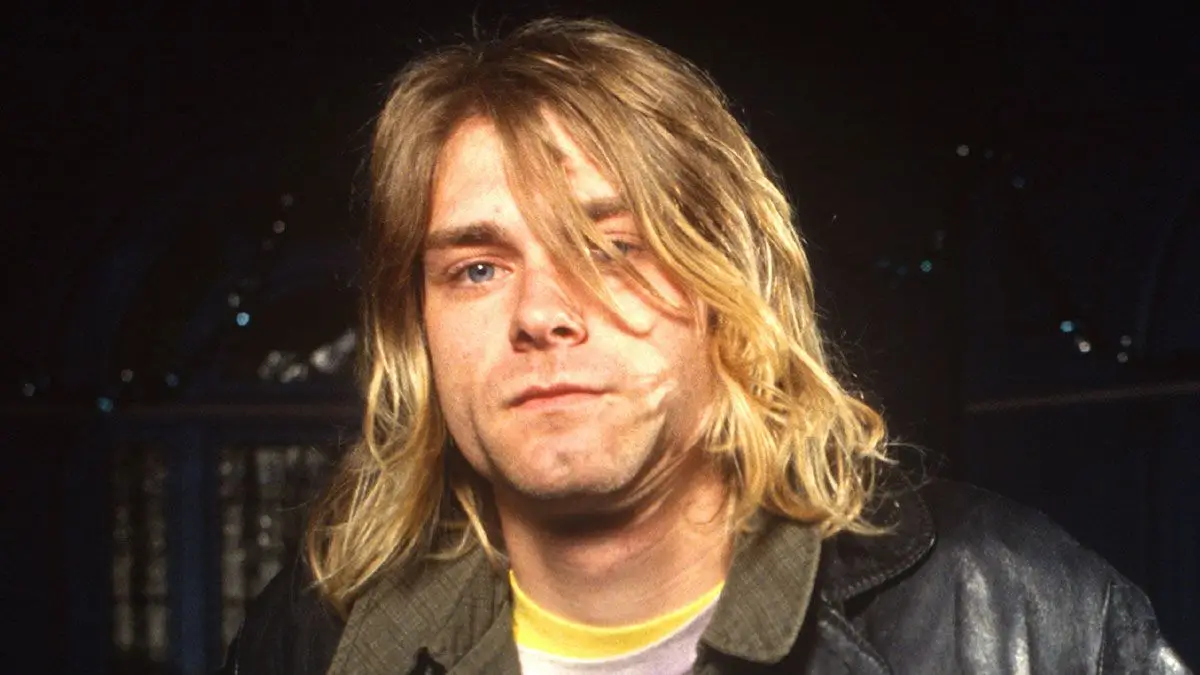
Kurt Cobain, the frontman of Nirvana, did not naturally have bright red or platinum hair. His true hair color was dirty blonde. Over time, he deliberately altered it with bleach and improvised dyes, creating some of the most recognizable looks in rock history. This article explains exactly what Kurt Cobain’s natural hair color was, how it changed as he aged, and why his DIY dye jobs became central to the grunge aesthetic.
Kurt Cobain’s Natural Hair Color
Table of Contents
Kurt Cobain’s natural hair color was dirty blonde, also described as ash blonde, which darkened from a lighter childhood blonde as he grew older.
Cobain was born with very light blonde hair, almost white-blonde, a common trait in children who later develop darker tones. By adulthood, especially during Nirvana’s rise in the late 1980s and early 1990s, his untreated hair settled into a dirty blonde shade. This color sat between dark blonde and light brown, with cool, ashy undertones.
This natural darkening is a normal biological process. Melanin production increases with age, especially after puberty. In Cobain’s case, that shift explains why his roots often appeared much darker than the bleached lengths seen in photos and performances.
Why His Hair Often Looked Darker Than Dirty Blonde
Kurt Cobain’s hair often appeared darker due to infrequent washing and unconventional grooming habits.
Cobain was famously indifferent to traditional grooming. He often washed his hair rarely and sometimes used bar soap instead of shampoo. This caused oil buildup at the scalp, making his roots appear darker and heavier than the actual color.
Lighting and sweat from live performances also played a role. Under stage lights, oily hair reflects less light, which exaggerates darker tones. This is why some fans remember periods where his hair looked almost brunette, even when it was not dyed.
Platinum Blonde Era and Why It Was Not Natural
Kurt Cobain’s platinum blonde hair was achieved through repeated bleaching, not genetics.
The platinum blonde look most people associate with Cobain was artificial. He maintained it using box bleach kits, especially during the Nevermind era and later around the MTV Unplugged performance.
Bleaching lifted the natural ash-blonde pigment from his hair, leaving a pale yellow base that was often toned unevenly. Cobain did not obsess over maintenance. Dark regrowth was always visible, reinforcing the raw, unfinished look that became iconic.
This contrast between light ends and dark roots later influenced modern “lived-in blonde” trends that are now recreated intentionally in salons.
Red Hair Phase in 1992
Kurt Cobain dyed his hair red in 1992 using peroxide and Kool-Aid packets.
One of Cobain’s most famous looks was the faded red hair seen in the Come As You Are music video. This color was not achieved professionally. Instead, he used a mix of peroxide and red Kool-Aid, a common DIY method among punk musicians at the time.
The result was a flat, matte red that faded quickly into peach and orange tones. This impermanence was part of the appeal. Cobain rejected polished aesthetics and embraced decay, change, and inconsistency as visual statements.
Blue and Violet Experiment of Late 1991
Kurt Cobain briefly dyed his hair blue-violet in late 1991 using Kool-Aid.
In October 1991, Cobain appeared with blue-violet hair during an interview on Headbangers Ball. The dye job reportedly lasted only a few days.
This color was achieved by dissolving Kool-Aid powder in water and dunking his head in a bathtub. The shade appeared uneven, shifting between blue and purple depending on lighting. Its short lifespan reinforced Cobain’s habit of treating hair color as temporary expression rather than identity.
When Kurt Cobain Went Brunette in 1993
Kurt Cobain dyed his hair dark brown in early 1993, close to his natural depth.
In early 1993, Cobain surprised fans by dyeing his hair a deep brown. This look was seen during Nirvana’s performances in Brazil. Unlike his brighter colors, this brunette phase aligned closely with his natural hair depth, though it was darker and more uniform.
The choice reflected a shift toward minimalism and emotional heaviness during that period of his life. Without bleach damage, his hair appeared thicker and healthier, though the look was short-lived.
Pink and Other Experimental Shades
Kurt Cobain experimented with pink and other faded pastel tones throughout his career.
Pink is often mentioned among Cobain’s lesser-documented colors. These shades usually appeared as faded results of red dye rather than deliberate full transformations. Because he layered dyes over bleached hair, colors often blended unpredictably.
Cobain welcomed this lack of control. The uneven tones matched his broader rejection of commercial beauty standards.
DIY Hair as Anti-Fashion Statement
Kurt Cobain’s hair symbolized grunge anti-fashion through visible roots, damage, and imperfection.
Cobain’s approach to hair was philosophical. He avoided salons, styling products, and consistent maintenance. His layered bob haircut, combined with bleach damage and dark regrowth, became a defining image of 1990s grunge.
What later generations tried to recreate with styling sprays and texture products came naturally to Cobain through neglect and chance. His hair was not styled to look messy. It was messy because he did not care.
What Kurt Cobain’s Hair Color Really Represented
Kurt Cobain’s hair color changes reflected authenticity, impermanence, and rejection of mainstream polish.
Cobain’s natural dirty blonde hair was only the foundation. What mattered was how he transformed it. Each color choice, whether red, blue, platinum, or brown, rejected the idea that appearance should be fixed or refined.
His hair told the same story as his music. Raw, emotional, unfinished, and honest. That is why decades later, his look still feels relevant rather than dated.
Final Verdict: Kurt Cobain’s True Hair Color
Kurt Cobain was naturally dirty blonde, not red or platinum, and used DIY dye to create his iconic looks.
Kurt Cobain’s real hair color was dirty blonde that darkened with age. Everything else was intentional experimentation. By embracing imperfection and impermanence, he turned something as simple as hair color into a lasting cultural statement.
That is why his look remains iconic. It was never about fashion. It was about freedom.
