

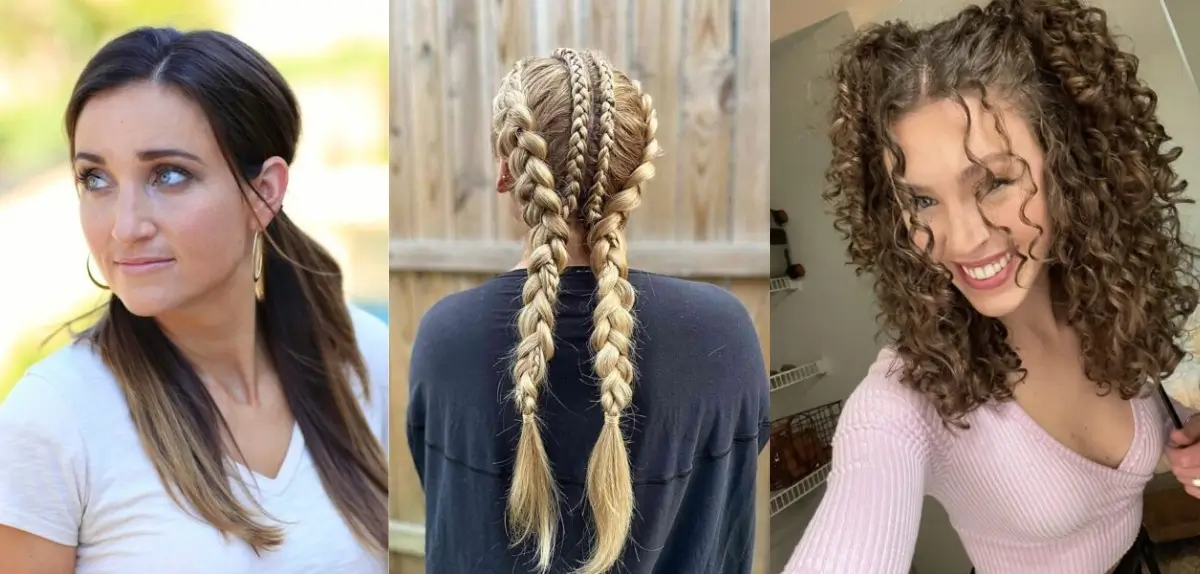
Low pigtails are one of those hairstyles that people think they understand—until they see them done well. Worn at the nape of the neck instead of high on the head, low pigtails are more subtle, more flexible, and far more grown-up than their playground reputation suggests.
Today, low pigtails show up everywhere: fashion editorials, clean-girl TikToks, yoga studios, street style photos, and even red carpets. The difference isn’t the hairstyle itself—it’s how it’s styled, accessorized, and contextualized.
This guide breaks down what low pigtails actually are, how to style them, and how to make them work for different aesthetics without drifting into “school uniform energy.”
What Are Low Pigtails?
Table of Contents
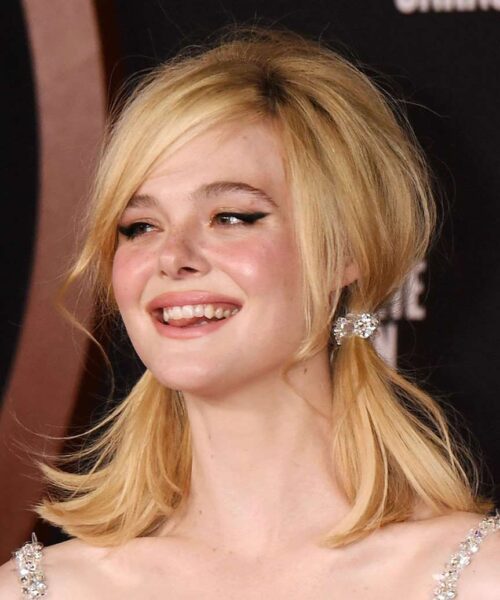
Low pigtails are a hairstyle where the hair is divided into two equal sections and secured low at the nape of the neck, rather than high on the sides of the head.
They can be:
- Loose or braided
- Sleek or messy
- Minimal or heavily accessorized
The defining feature is placement. That single detail changes the entire tone of the style.
Low pigtails tend to look:
- Softer than high pigtails
- More intentional than a single low ponytail
- Less severe than tight buns
That’s why they work across so many settings, from casual to editorial.
Why Low Pigtails Are Trending Again
Low pigtails fit perfectly into current beauty trends that favor:
- Natural texture over stiff hold
- Practical styles that still feel styled
- Nostalgia with a modern filter
They’re also forgiving. Unlike high styles that emphasize symmetry and tension, low pigtails allow for imperfection—loose pieces, uneven texture, and natural movement all look intentional here.
And from a purely practical standpoint? They’re comfortable. No scalp pull. No headache by hour three.
How to Style Low Pigtails (Basic Method)
If you’re starting from scratch, this is the simplest way to create clean, modern low pigtails.
Step-by-step:
- Part your hair
Middle parts are the most common, but slightly off-center parts soften the look. - Brush hair down and back
Keep everything directed toward the nape of the neck. - Secure each side low
Place elastics just above where your neck meets your shoulders. - Adjust tension
Tug gently at the crown or around the face if you want softness. - Finish intentionally
Add serum for shine, or texture spray for grip—never both.
That’s it. Everything else is variation.
Popular Low Pigtail Styles and Aesthetics
Clean Girl / Minimalist Low Pigtails
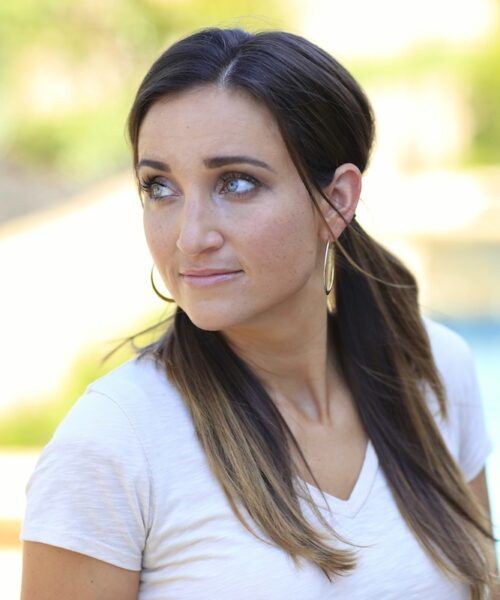
This version is slick, controlled, and shine-focused.
Best features:
- Middle part
- Smooth roots
- Clear elastics or hidden ties
This style relies heavily on hair health. Flyaways are smoothed, not disguised. It pairs naturally with neutral outfits and minimal makeup.
Cottagecore and Romantic Low Pigtails
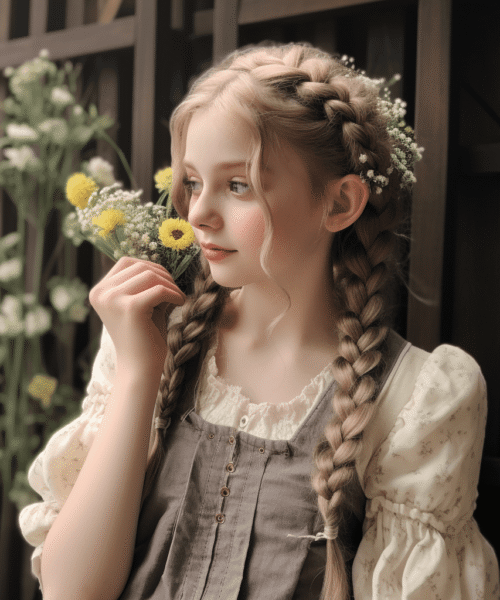
Looser, softer, and slightly undone.
Common details:
- Natural waves or curls
- Lace ribbons or fabric ties
- Face-framing pieces left out
This version feels handmade and nostalgic, especially when paired with natural fabrics and soft layers.
Braided Low Pigtails
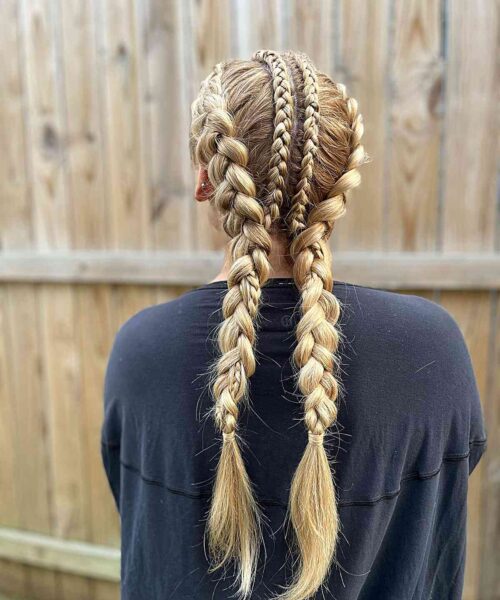
Braids instantly make low pigtails more functional and more polished.
Popular options:
- French braids starting at the crown
- Dutch braids for structure
- Fishtail braids for texture
Braided low pigtails are especially popular for workouts, travel, and long days where the style needs to last.
Y2K-Inspired Low Pigtails
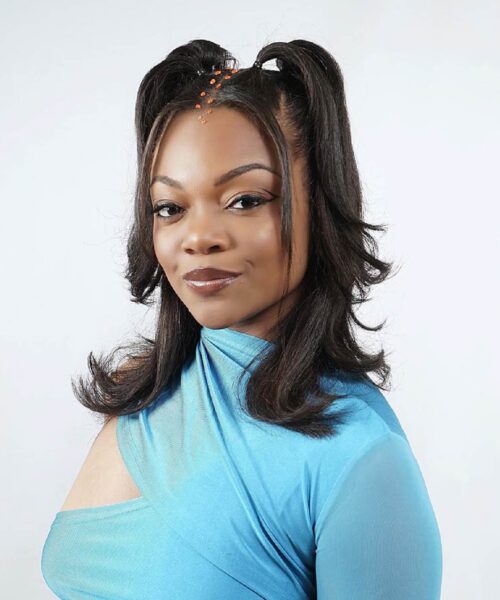
This trend borrows from early-2000s styling but tones it down.
Think:
- Bubble pigtails with spaced elastics
- Butterfly clips used sparingly
- Clean sections, not chaos
The modern version uses restraint. One playful detail is enough.
Accessories That Change the Entire Look
Accessories do more than decorate low pigtails—they define them.
| Accessory | Effect |
|---|---|
| Silk ribbons | Romantic, classic, soft |
| Oversized scrunchies | Casual, playful, 90s-inspired |
| Silver cuffs | Edgy, futuristic, editorial |
| Stacked bobby pins | Trend-focused and intentional |
Texture matters. Matte accessories feel quieter. Shiny ones pull focus.
Low Pigtails for Different Hair Types
Fine Hair
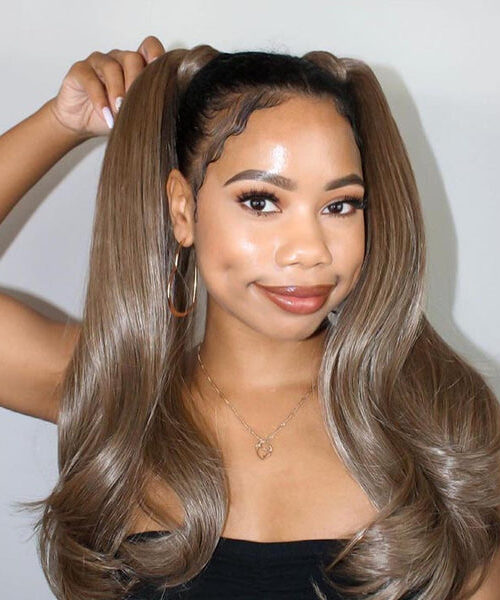
- Add volume at the crown before securing
- Use texture spray for grip
- Avoid heavy accessories
Thick Hair
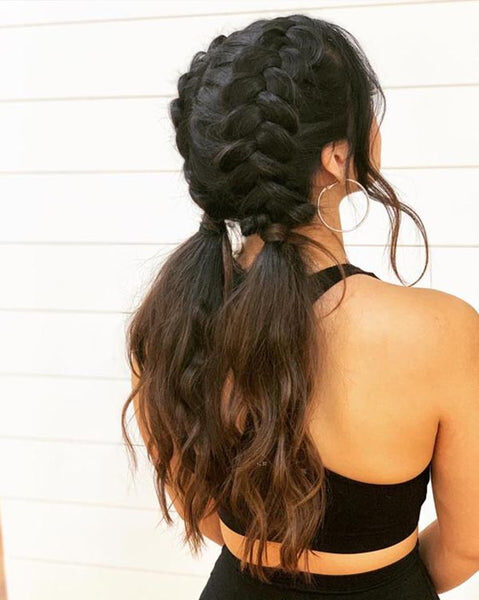
- Section cleanly to avoid bulk
- Braided bases help distribute weight
- Secure with strong elastics first, decorative ones second
Curly or Wavy Hair
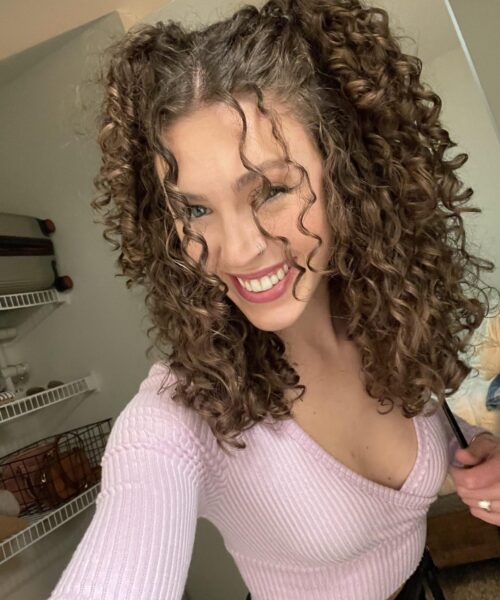
- Work with your texture, not against it
- Leave curls loose at the ends
- Avoid over-brushing
How to Avoid Looking Too Juvenile
This is the most common concern—and it’s valid.
A few simple rules help keep low pigtails looking intentional:
- Add volume somewhere (crown or ends)
- Leave out face-framing strands
- Use adult accessories
- Match the hairstyle to a mature outfit
Most of the time, it’s not the pigtails that feel childish—it’s the lack of contrast.
Low Pigtails vs Other Low Hairstyles
Low pigtails sit in a unique middle ground.
- Low ponytail: sleeker, more minimal
- Low bun: more formal, more structured
- Low pigtails: softer, more expressive
They allow symmetry without severity, which is why they’re so versatile.
Final Thoughts
Low pigtails aren’t a trend you wear once and abandon. They’re a framework. Change the part, the tension, the accessory, or the texture, and the entire message shifts.
That flexibility is why low pigtails keep resurfacing—quietly, persistently, and in better versions each time. They don’t demand attention. They reward intention.
And when done right, they look far more modern than people expect.
