

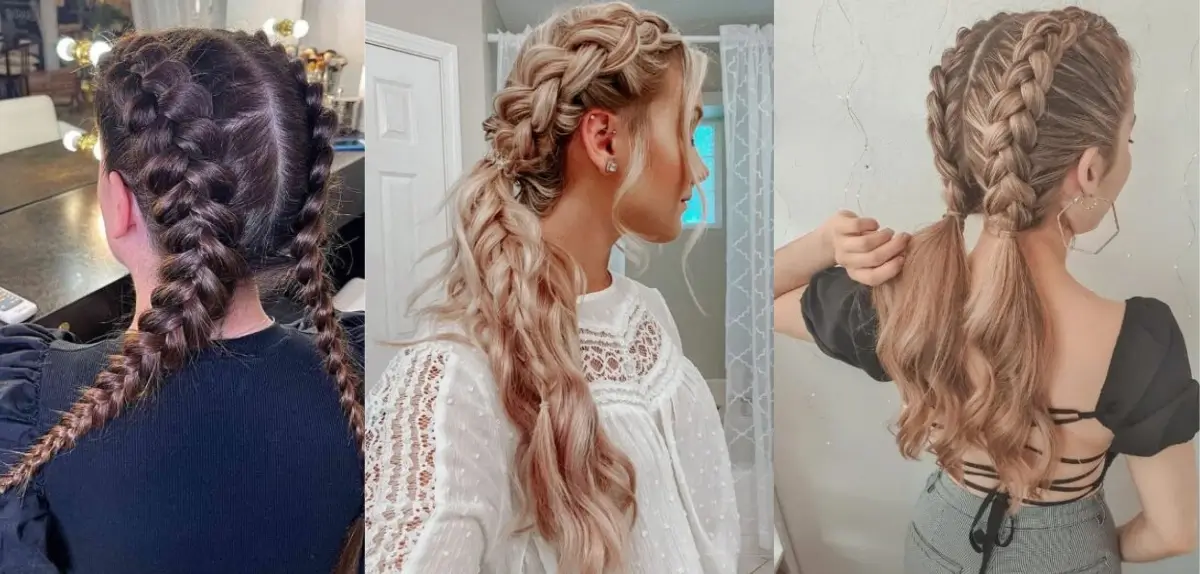
Braided pigtails aren’t just a “cute hairstyle” anymore. They’ve become one of those styles that somehow fits everywhere—music festivals, workout classes, lazy errands, even casual workdays. You’ll see them styled sleek and tight, soft and boho, colorful and playful, or practical and sporty.
The reason they’ve stuck around is simple: braided pigtails are flexible. The same basic idea can look completely different depending on the braid technique, how tight you go at the scalp, and whether you finish the look polished or a little undone. Below is a realistic breakdown of how to do braided pigtails well, how to choose between Dutch and French styles, and the tools that actually make a difference.
How to Do Braided Pigtails: A Step-by-Step Guide
Table of Contents
If braided pigtails ever look “off,” it’s usually not the braid itself. It’s the part.
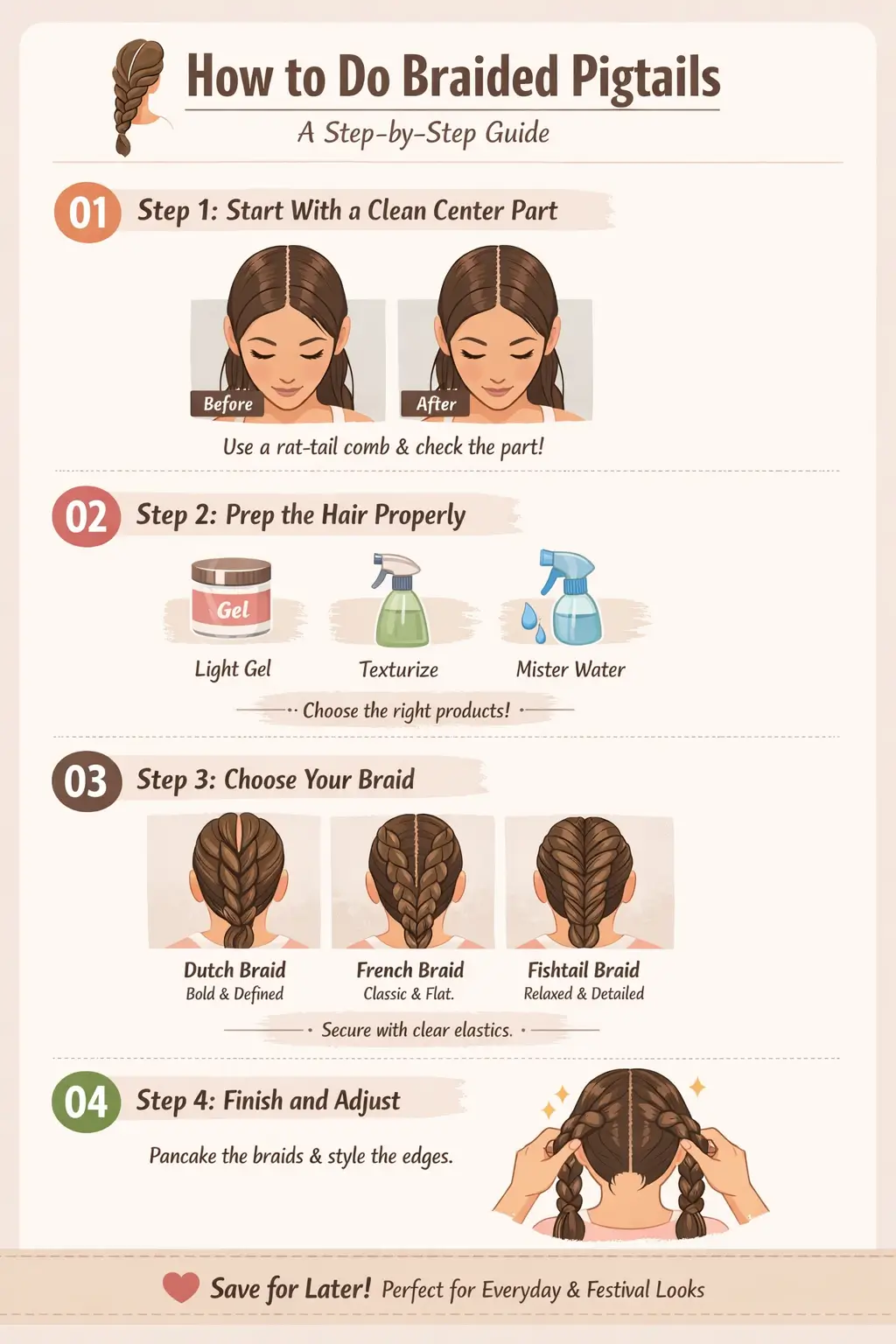
Step 1: Start With a Clean Center Parting
A straight center part is the foundation of good pigtails. Use a rat-tail or sectioning comb and take your time. Don’t trust the first pass—check it from the front and slightly above. Even small shifts show up once the braids are finished.
Step 2: Prep the Hair Properly
Hair that’s too slippery won’t hold, but hair loaded with product will collapse.
- For slick or e-girl styles, apply a small amount of edge control or gel at the roots
- For boho or festival pigtails, skip heavy gel and use a light texturizing spray instead
If your hair is very dry or curly, lightly mist with water before you start braiding.
Step 3: Choose Your Braid Technique
This is where the style really takes shape.
- Dutch braids (inside-out braids) sit on top of the hair and give the most definition
- French braids lie flatter against the scalp and look more classic
- Fishtail braids take longer but give a relaxed, detailed finish
Secure the ends with clear elastics. For jumbo or extra-long pigtails, this is where kanekalon hair is usually added.
Step 4: Finish and Adjust
Once both sides are done, gently pull at the braid loops to pancake them. This makes the braids look fuller without redoing anything. Style baby hairs around the hairline if that fits your look, or leave them natural for a softer finish.
Dutch vs. French Pigtails: Which Is Better for Your Hair Type?
This question comes up constantly, and the answer isn’t about trends—it’s about structure and hold.
Dutch braids work especially well for:
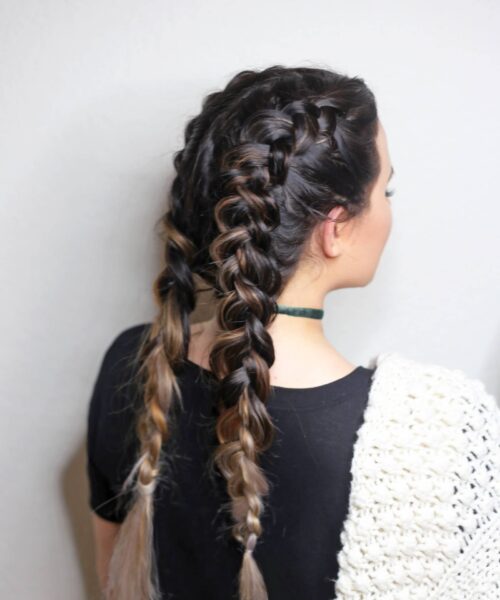
- Fine or medium hair that needs visible volume
- Sporty or active styles that need to stay put
- High-definition looks like slick pigtail braids
French braids are better if:
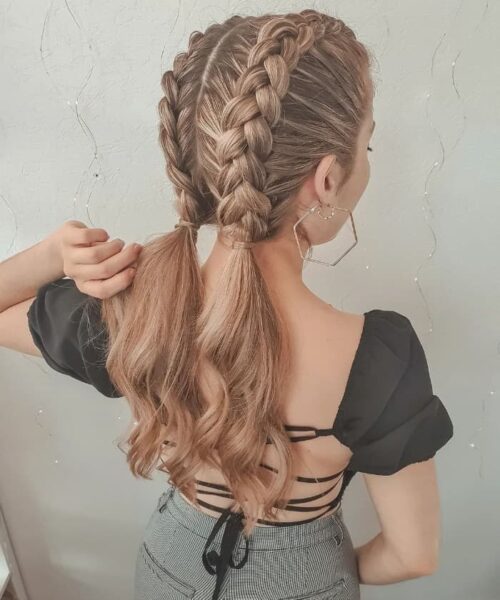
- Your hair is already thick
- You want something flatter and more traditional
- You prefer a softer, less sculpted look
One important thing with both styles: avoid pulling too tightly at the hairline. Chronic tension from tight, slick pigtails can contribute to traction alopecia over time, especially around the temples. Clean doesn’t need to mean painful.
Essential Tools for the Perfect Symmetrical Part
You don’t need a full styling kit, but the right tools make braided pigtails faster and cleaner.
Must-have basics
- Rat-tail or sectioning comb for precise center parting
- Clear elastics to secure ends without bulk
- Edge control or light gel for slick styles
- Texturizing spray to help with grip and pancaking
Optional but useful
- Kanekalon hair for added length or jumbo pigtails
- Small clips to hold sections while braiding
If your goal is festival fashion or boho braids, a slightly messy finish usually looks better than perfection. For activewear or pickleball hair, structure and hold matter more than volume.
7 Trending Braided Pigtail Styles for 2026
Braided pigtails in 2026 aren’t about doing one “right” style. They’re about choosing a vibe and adjusting the technique to match it. These are the versions showing up most right now, both online and in real life.
1. Classic Dutch Braided Pigtails
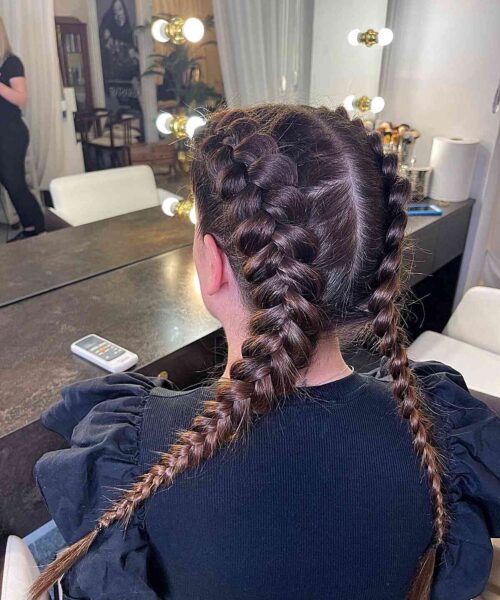
This is the foundation style and still the most requested. Two clean Dutch braids with a sharp center part work on almost everyone. You can keep them tight for a sleek look or pancake them slightly for everyday wear. This style holds up well for long days and active movement.
2. Soft Boho Pigtail Braids
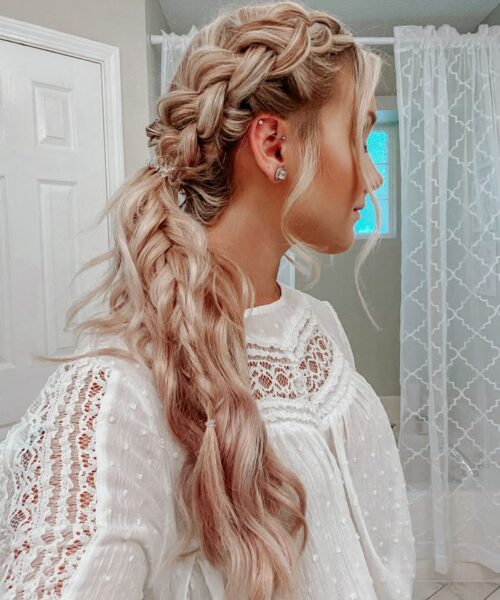
Boho pigtails are intentionally imperfect. The part is still clean, but the braids are looser, often pancaked heavily, with wispy baby hairs left out around the face. This style is popular for festivals and casual weekends because it looks styled without looking strict.
3. Fishtail Braided Pigtails
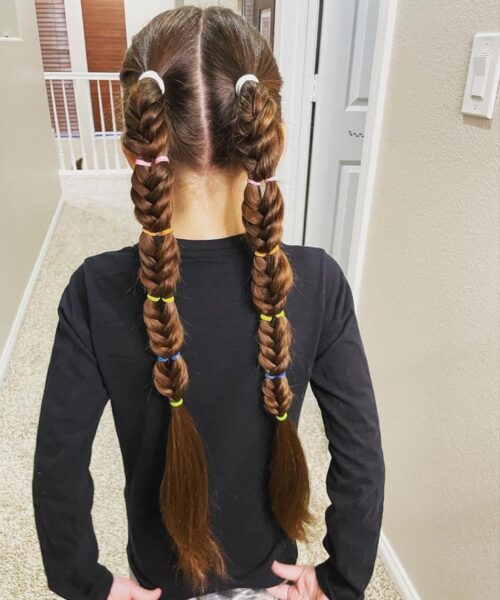
Fishtail pigtails take more time, but they photograph beautifully. They’re especially popular for longer hair and layered cuts because the detail shows more clearly. Most people keep these slightly loose and textured rather than slick.
4. Bubble Pigtails
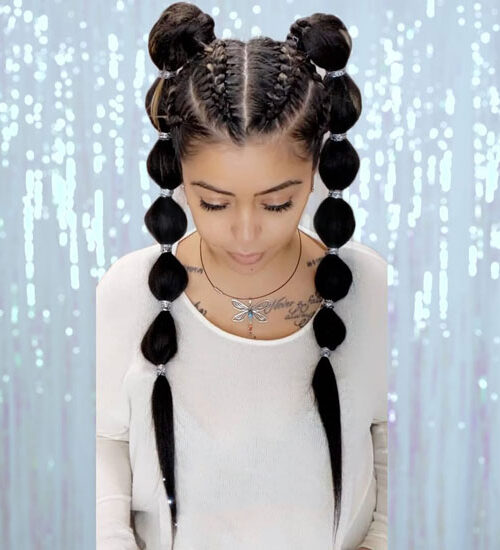
Bubble pigtails aren’t traditional braids, but they’re trending hard. Hair is sectioned down each side with clear elastics, then gently pulled to create “bubbles.” This style is low-skill, quick, and works well for both straight and curly hair.
5. Slick Pigtail Cornrows
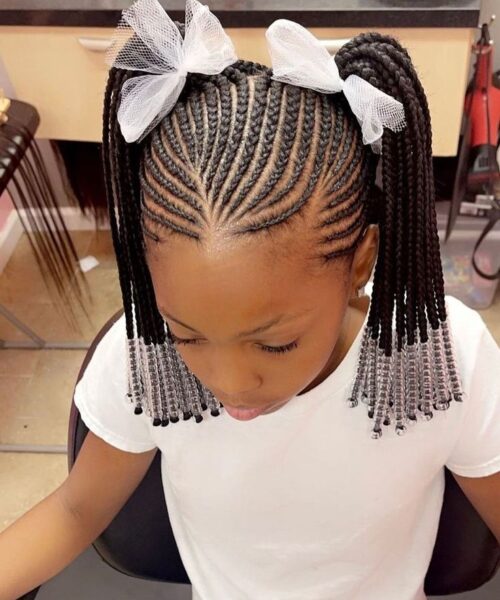
This style is especially popular for natural hair and protective styling. Cornrow pigtails are braided close to the scalp and often finished long and sleek. They’re practical, low-maintenance, and a go-to for people who want their hair fully secured.
6. Jumbo Braided Pigtails
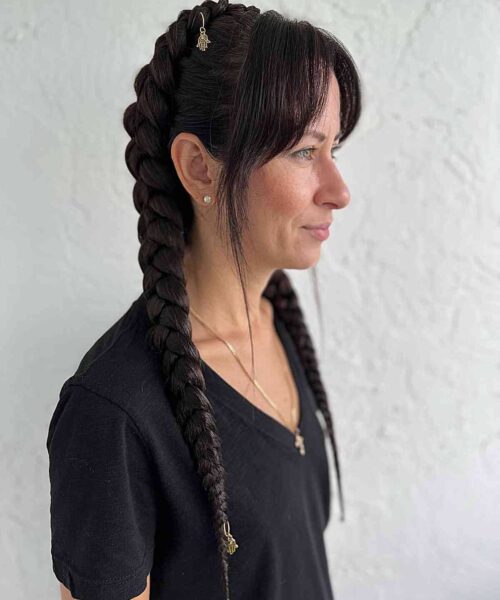
Jumbo pigtails use kanekalon hair to add thickness and length. These are bold, playful, and common at festivals or themed events. They’re not subtle, but that’s the point. Proper tension control is important here to avoid scalp stress.
7. Sporty Activewear Pigtails
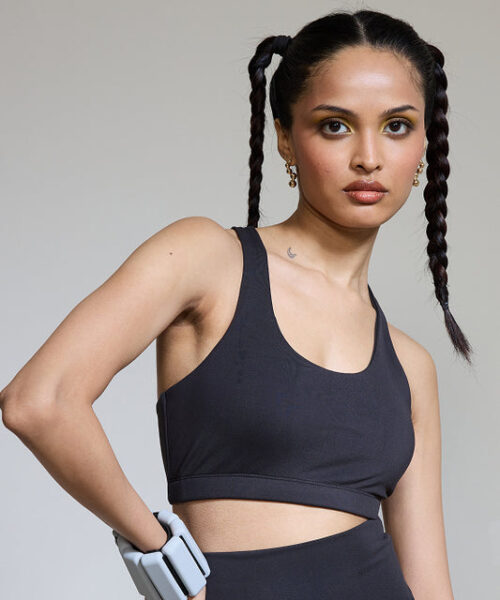
Think clean parts, medium-tight braids, and minimal flyaways. This style is popular for gym sessions, pickleball, and long walks. It’s functional first, but still looks intentional, especially when finished neatly at the ends.
Styling Tips That Actually Make a Difference
Small details are what separate good braided pigtails from great ones.
- Always braid both sides evenly before adjusting volume
- Pancake gradually; over-pulling can make braids look messy fast
- Match product weight to hair texture—lighter is usually better
- If braids feel painful, they’re too tight
If you’re braiding regularly, give your edges a break. Rotating between tighter and looser styles helps protect hair health long term.
